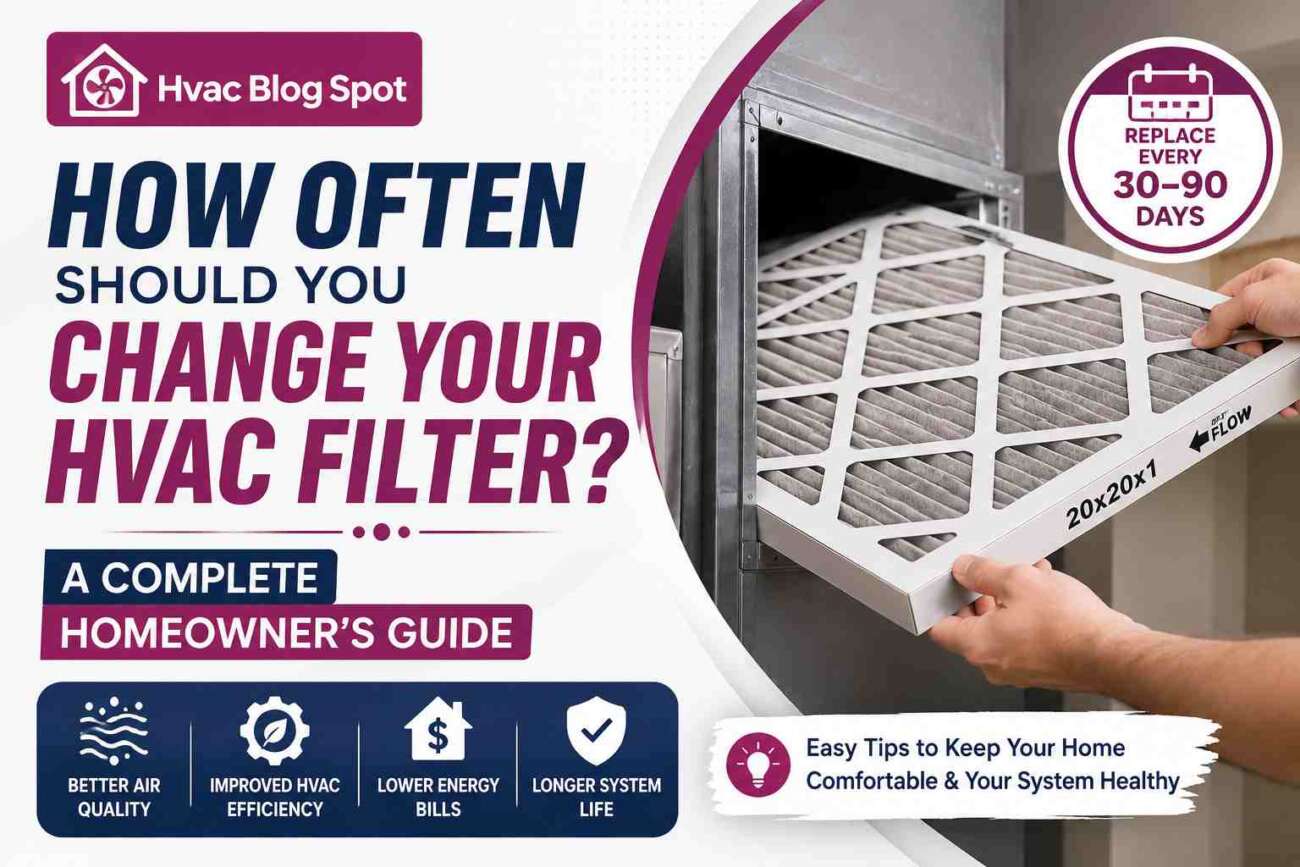

Indoor air quality often depends on one simple component that many homeowners forget to check—the HVAC filter. While your heating and cooling system works year-round to keep your home comfortable, a clogged or dirty filter can quietly reduce HVAC efficiency, increase energy bills, and circulate dust and allergens throughout your living space.
If you’ve ever wondered How Often Should You Change Your HVAC Filter, the answer isn’t always the same for every home. Factors like pets, allergies, smoking, home size, and HVAC usage all affect how frequently your filter should be replaced. Understanding the right HVAC filter replacement schedule helps improve system performance, extend equipment life, and maintain healthier indoor air.
This guide explains when to replace your filter, the warning signs of a dirty filter, and practical tips for keeping your HVAC system running efficiently throughout the year.
Why Your HVAC Filter Matters
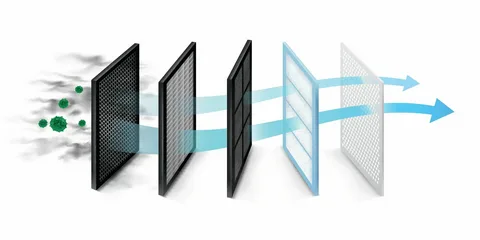
Your HVAC filter is the first line of defense against airborne contaminants entering your heating and cooling system. As air circulates through your home, the filter captures dust, pollen, pet hair, lint, mold spores, and other particles before they reach sensitive HVAC components.
A clean HVAC air filter doesn’t just improve air quality—it also protects your entire HVAC system from unnecessary wear and tear.
A quality home air filter helps:
- Improve indoor air quality
- Protect HVAC components from dust buildup
- Maintain proper HVAC airflow
- Improve HVAC energy efficiency
- Reduce strain on heating and cooling equipment
- Extend the lifespan of your HVAC system
When filters become clogged, airflow decreases, forcing the system to work harder to maintain the desired temperature. Over time, this leads to higher utility bills and increased maintenance costs.
How Often Should You Change Your HVAC Filter?
There isn’t a universal replacement schedule that fits every household. Instead, homeowners should consider their lifestyle, indoor air quality needs, and how often the HVAC system operates.
The following table provides a general replacement guide.
| Home Type | Replace Every |
| Standard Home | Every 90 Days |
| Homes With Pets | Every 60 Days |
| Allergy or Asthma Sufferers | Every 30–45 Days |
| Homes With Smokers | Every 30–45 Days |
| Vacation or Seasonal Homes | Every 6–12 Months |
These recommendations apply to most standard pleated air filters used in residential HVAC systems.
If your home experiences heavy dust, construction nearby, or seasonal pollen, inspecting your filter monthly is a smart habit.
6 Signs Your HVAC Filter Needs Replacing
Even if you don’t remember the last replacement date, your HVAC system often provides warning signs.
Look for these common dirty HVAC filter symptoms:
- Reduced airflow coming from supply vents
- Higher energy bills despite normal thermostat settings
- Excess dust collects on furniture shortly after cleaning
- Increased allergy or asthma symptoms
- Musty or unpleasant odors when the HVAC system runs
- The HVAC system runs longer than usual to reach the desired temperature
Ignoring these warning signs can reduce comfort while placing unnecessary stress on your heating and cooling equipment.
What Affects HVAC Filter Replacement Frequency?
Several household factors determine how often you should change your HVAC filter.
Pets
Homes with dogs or cats collect significantly more pet hair and dander.
A pet-hair HVAC filter clogs much faster, making replacement every 60 days—or even sooner for multiple pets—a smart choice.
Allergies or Asthma
Families dealing with allergies should replace filters more frequently to reduce pollen, mold spores, dust mites, and other airborne irritants.
A clean filter supports healthier indoor air quality while helping allergy sufferers breathe more comfortably.
Smoking Indoors
Smoke particles quickly accumulate inside an HVAC air filter, shortening its lifespan.
Replacing filters every 30 to 45 days helps prevent lingering odors and improves indoor air circulation.
Home Size
Larger homes generally move more air through the HVAC system each day.
More airflow means the filter captures more airborne particles, requiring more frequent inspection and replacement.
Climate
Your local environment also affects filter performance.
Homes located in dusty regions or areas with heavy pollen seasons often require a more aggressive HVAC filter maintenance schedule than homes in cleaner environments.
HVAC Usage
A heating and cooling system that runs every day naturally collects more airborne contaminants than one used only seasonally.
If your HVAC operates year-round, checking the filter every month is one of the simplest ways to improve HVAC maintenance and avoid unexpected performance issues.
What Happens If You Don’t Change Your HVAC Filter?
Delaying HVAC filter replacement may seem harmless, but over time it can create several costly problems.
A clogged filter restricts airflow, forcing the HVAC blower motor to work harder. This extra strain reduces HVAC efficiency and increases monthly energy consumption.
Other potential problems include:
- Restricted HVAC airflow
- Higher electricity bills
- Reduced heating and cooling performance
- Frozen air conditioner evaporator coils
- Furnace overheating during winter
- Increased wear on HVAC components
- Shortened equipment lifespan
- Poor indoor air quality
- Increased dust circulation throughout the home
Replacing a relatively inexpensive filter on schedule is one of the easiest ways to avoid unnecessary repairs while protecting your HVAC investment.
How to Choose the Right Replacement Filter
Not all HVAC filters perform the same. Choosing the right replacement filter improves HVAC efficiency, protects your equipment, and helps maintain cleaner indoor air.
Consider these factors before purchasing your next HVAC filter:
MERV Rating
The MERV rating measures how effectively a filter captures airborne particles. Higher ratings trap smaller particles but may also reduce airflow if your HVAC system isn’t designed for them.
For most residential homes:
- MERV 8: Ideal for everyday household use.
- MERV 11: Great for homes with pets or moderate allergies.
- MERV 13: Best for allergy sufferers if the HVAC system supports it.
For a detailed comparison of filter ratings, read our MERV Rating Chart Explained: How to Choose the Best HVAC Filter for Cleaner Indoor Air guide on HVAC Blog Spot.
Filter Size
Always match the filter dimensions recommended by your HVAC manufacturer. Installing the wrong HVAC filter size allows unfiltered air to bypass the filter and reduces system efficiency.
Disposable vs. Reusable Filters
Both options have advantages.
- Disposable filters are affordable, convenient, and provide consistent filtration.
- Reusable filters can reduce waste but require regular cleaning and maintenance.
Choose the option that best fits your maintenance routine and household needs.
Manufacturer Recommendations
Always consult your HVAC owner’s manual before selecting a replacement filter. Using a filter with an excessively high MERV rating may restrict airflow in some systems.
Step-by-Step Guide to Replacing an HVAC Filter
Replacing a filter is a simple maintenance task that most homeowners can complete in just a few minutes.
- Turn off the HVAC system to prevent dust from circulating during replacement.
- Locate the filter compartment, usually near the return air duct or inside the furnace.
- Check the airflow arrow printed on the old filter before removing it.
- Remove the dirty filter carefully to avoid spreading dust.
- Insert the new filter with the airflow arrow pointing toward the HVAC unit.
- Restart the system and verify that the filter is securely installed.
For best results, mark the replacement date on the filter frame or set a reminder on your phone.
Common HVAC Filter Replacement Mistakes
Many homeowners unknowingly reduce HVAC performance by making simple filter-related mistakes.
Avoid these common errors:
- Buying the wrong HVAC filter size
- Installing the filter backward
- Waiting too long between replacements
- Choosing the highest MERV rating without checking HVAC compatibility
- Forgetting to inspect the filter monthly
- Purchasing low-quality filters that provide poor filtration
Following a consistent HVAC maintenance checklist helps prevent these issues and keeps your system operating efficiently year-round.
Benefits of Replacing Your HVAC Filter Regularly
Replacing your HVAC air filter on schedule provides long-term benefits for both your home and your heating and cooling system.
Some of the biggest advantages include:
- Improved indoor air quality
- Better HVAC airflow
- Increased HVAC energy efficiency
- Lower monthly utility bills
- Longer HVAC equipment lifespan
- Reduced dust throughout the home
- Better protection against pollen, pet dander, and allergens
- Fewer unexpected HVAC repairs
- More consistent heating and cooling performance
A clean filter is one of the most affordable ways to improve comfort while protecting your HVAC investment.
Frequently Asked Questions
How often should I replace my HVAC filter?
Most standard households should replace their filter every 90 days. Homes with pets, smokers, or allergy sufferers should replace filters every 30–60 days, depending on usage.
Can a dirty HVAC filter increase my electric bill?
Yes. A clogged filter restricts airflow, forcing the HVAC system to work harder and consume more electricity.
Is it okay to vacuum and reuse an HVAC filter?
Only reusable filters are designed for cleaning. Most disposable filters should be replaced rather than vacuumed, as cleaning can reduce their filtration efficiency.
Does filter thickness matter?
Yes. Thicker filters generally hold more dust and often last longer, but they must match your HVAC system’s specifications and available filter slot.
Can a dirty HVAC filter damage my HVAC system?
Over time, yes. A clogged filter can reduce airflow, cause furnace overheating, freeze AC evaporator coils, and increase wear on system components, leading to costly repairs.
Final Thoughts
Knowing How Often Should You Change Your HVAC Filter is one of the simplest yet most important steps in protecting your heating and cooling system. Rather than following a fixed schedule, homeowners should base HVAC filter replacement on their household’s unique needs, including pets, allergies, smoking habits, and how frequently the system operates.
Inspecting your filter every month and replacing it when needed helps maintain HVAC efficiency, improves indoor air quality, reduces energy costs, and extends the life of your HVAC equipment. Small maintenance habits today can prevent expensive repairs tomorrow.
For more expert HVAC maintenance tips, buying guides, indoor air quality advice, and homeowner-friendly resources, visit HVAC Blog Spot and explore our latest articles. Stay informed, protect your HVAC system, and enjoy cleaner, healthier air all year long.
Leave a Comment