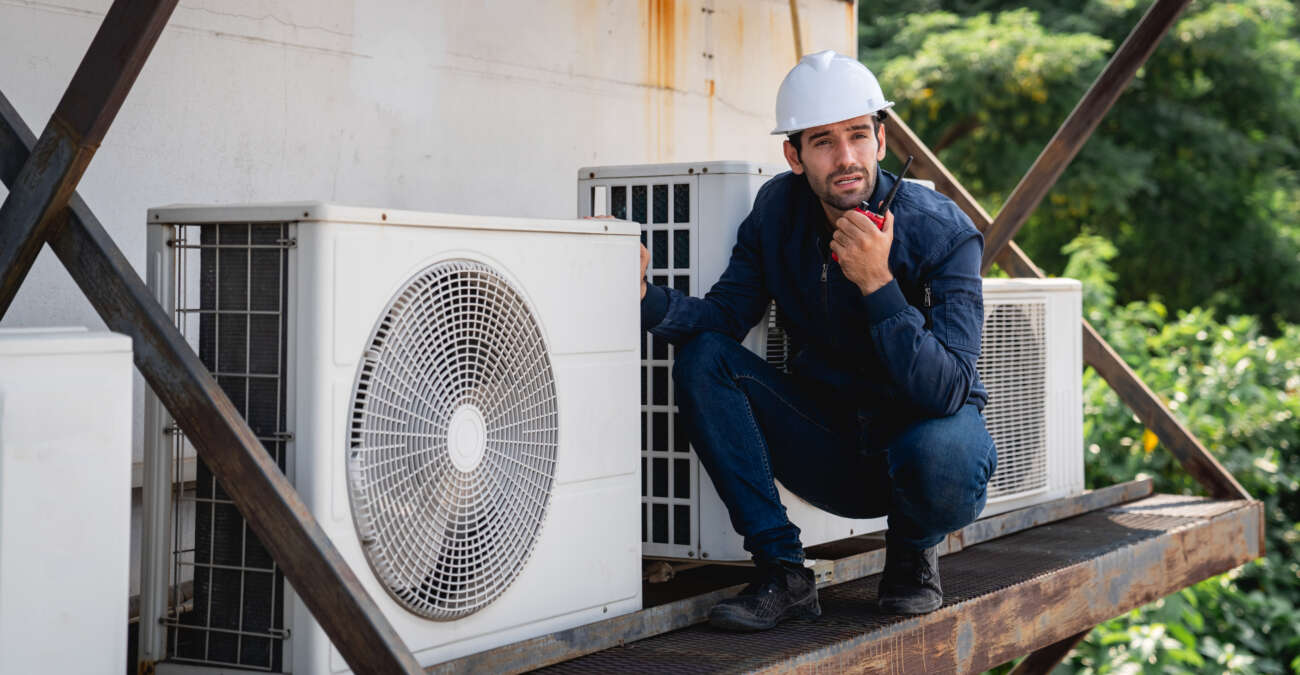

Ever wondered what keeps your home cozy in winter and refreshingly cool in summer? The secret lies in your HVAC system. A critical part of modern living that ensures year-round comfort, clean air, and energy efficiency. HVAC stands for Heating, Ventilation, and Air Conditioning, a term that covers the complete climate control process in homes, offices, and commercial buildings.
Whether you’re building a new home or upgrading your existing system, understanding what HVAC truly means can help you make smarter choices about comfort, air quality, and cost savings. In this post, we’ll explore how HVAC works, why it matters, and what every homeowner should know about keeping it in top shape.
What HVAC Really Means
HVAC is an acronym for Heating, Ventilation, and Air Conditioning, three systems that work together to regulate indoor environments.
- Heating ensures warmth during colder months through furnaces, boilers, or heat pumps.
- Ventilation controls airflow, removing stale air and bringing in fresh oxygen.
- Air Conditioning cools your space during hot seasons and helps reduce humidity levels.
Each component plays a key role in maintaining a comfortable indoor climate while promoting better air quality and energy efficiency.
How HVAC Systems Work
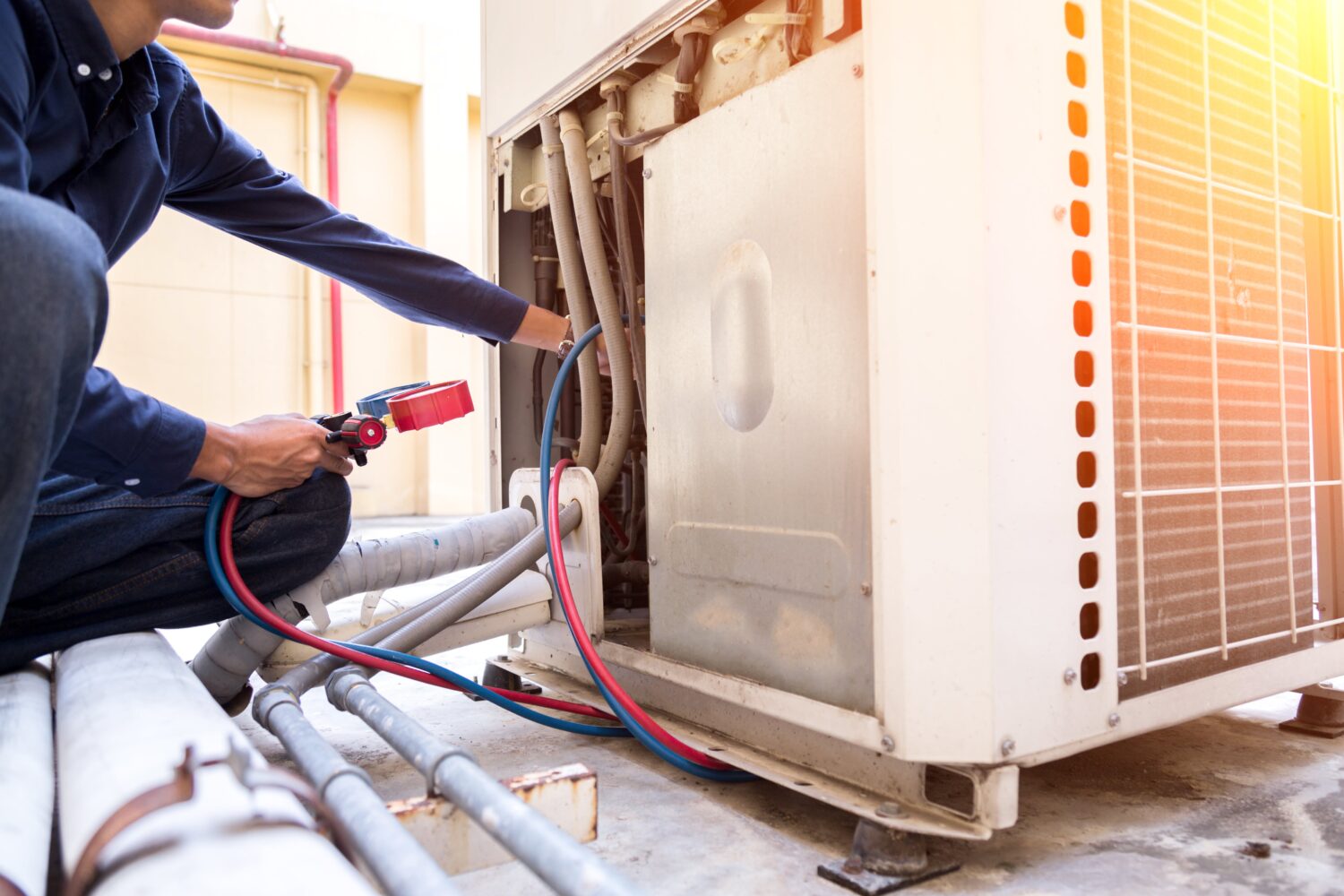
A typical HVAC system operates on a simple principle: balance indoor comfort while managing energy use. Air is drawn into the system, filtered, heated or cooled, and then distributed through ductwork or vents.
Modern systems use smart thermostats, zoned temperature controls, and energy-efficient compressors to deliver precision climate management. In some systems, air purifiers and dehumidifiers are added to improve indoor air quality — a growing concern in both residential and commercial spaces.
According to the U.S. Department of Energy, HVAC systems account for nearly 40–50% of total household energy consumption, making maintenance and efficiency upgrades a smart long-term investment.
Why HVAC Systems Are Essential
A properly functioning HVAC system offers more than comfort — it directly impacts your health, safety, and property value. Consistent ventilation prevents the buildup of allergens, mold, and indoor pollutants. Efficient heating and cooling systems also reduce utility bills and carbon emissions, aligning with eco-friendly home standards.
In commercial environments, HVAC systems are crucial for employee productivity, equipment protection, and compliance with air quality regulations. With newer technologies like inverter compressors, smart sensors, and IoT-enabled thermostats, homeowners can now monitor air quality, humidity, and temperature through their mobile devices.
Types of HVAC Systems
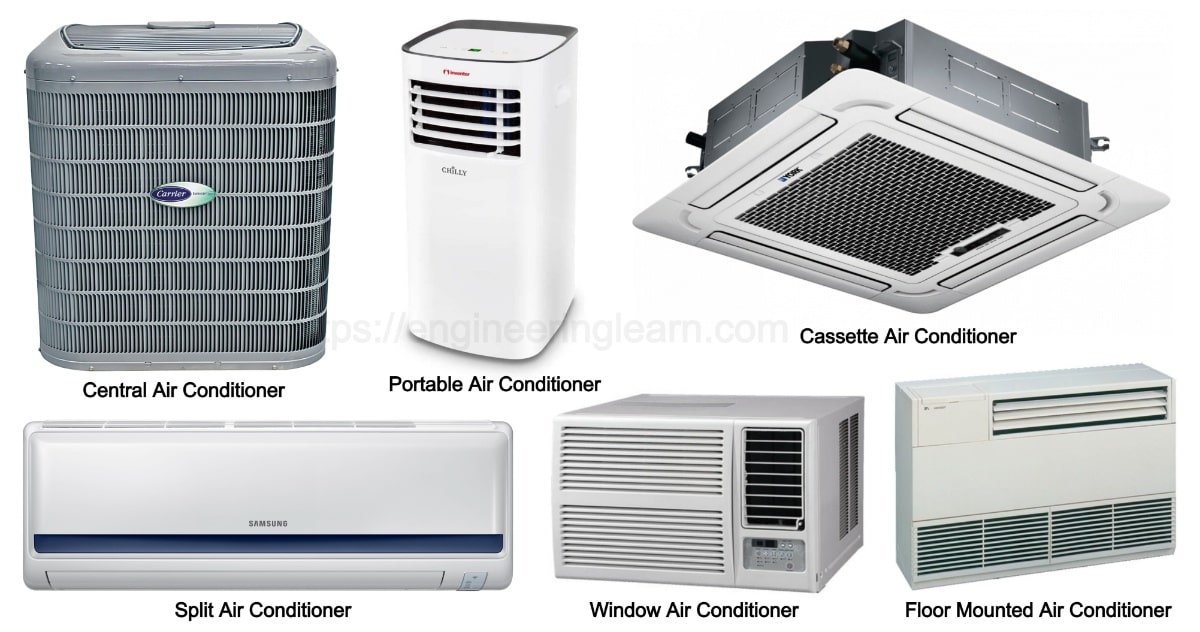
Understanding the types of HVAC systems can help you choose what fits your property best:
- Split Systems: The most common type, with separate indoor and outdoor units for heating and cooling.
- Hybrid Systems: These combine gas and electric power for optimized energy savings.
- Duct-Free (Mini-Split) Systems: Ideal for homes without ductwork or for room-specific temperature control.
- Packaged Systems: All components are contained in one outdoor unit, often used in commercial spaces.
Each system has different installation, maintenance, and cost considerations, depending on property size, climate, and energy goals.
Energy Efficiency and Maintenance
Regular HVAC maintenance is key to performance and longevity. Dirty filters, leaks, or worn-out components can reduce efficiency by up to 25%, according to the Energy Star program. Scheduling biannual inspections, replacing air filters every 90 days, and keeping vents clean can extend the system’s life and prevent costly repairs.
Energy-efficient HVAC systems not only cut utility bills but also improve indoor comfort consistency. Look for units with a high SEER (Seasonal Energy Efficiency Ratio) rating and ENERGY STAR® certification for optimal savings.
The Role of HVAC in Indoor Air Quality
Indoor air pollution can be two to five times higher than outdoor levels, based on EPA findings. HVAC systems equipped with HEPA filters, UV light purification, and smart ventilation significantly reduce pollutants like dust, pollen, and bacteria.
With the rise of smart homes and AI-integrated systems, HVAC units now automatically adjust airflow, ensuring your home remains comfortable while maintaining healthy air circulation.
Conclusion
Your HVAC system is more than a comfort feature; it’s a health and energy solution that directly affects your daily life. Understanding how heating, ventilation, and air conditioning work together empowers you to make informed decisions about maintenance, upgrades, and sustainability. Whether it’s reducing energy costs, improving air quality, or maintaining consistent comfort, a well-functioning HVAC system remains the backbone of a healthy indoor environment.
Frequently Asked Questions (FAQs)
1. What does HVAC stand for?
HVAC stands for Heating, Ventilation, and Air Conditioning, the integrated system responsible for controlling indoor climate and air quality.
2. How often should an HVAC system be serviced?
Experts recommend professional servicing twice a year, once before summer and once before winter, to ensure optimal performance and prevent breakdowns.
3. How long does an average HVAC system last?
Depending on maintenance and usage, an HVAC system typically lasts 12–20 years. Regular upkeep can extend its lifespan by several years.
4. How can I improve my HVAC’s energy efficiency?
Use programmable thermostats, seal ducts, replace filters regularly, and upgrade to ENERGY STAR®-rated units to cut energy use by up to 30%.
5. Why is indoor air quality important in HVAC systems?
Poor air quality can cause allergies and respiratory issues. HVAC systems with HEPA filters and proper ventilation maintain cleaner, healthier indoor air.
Leave a Comment