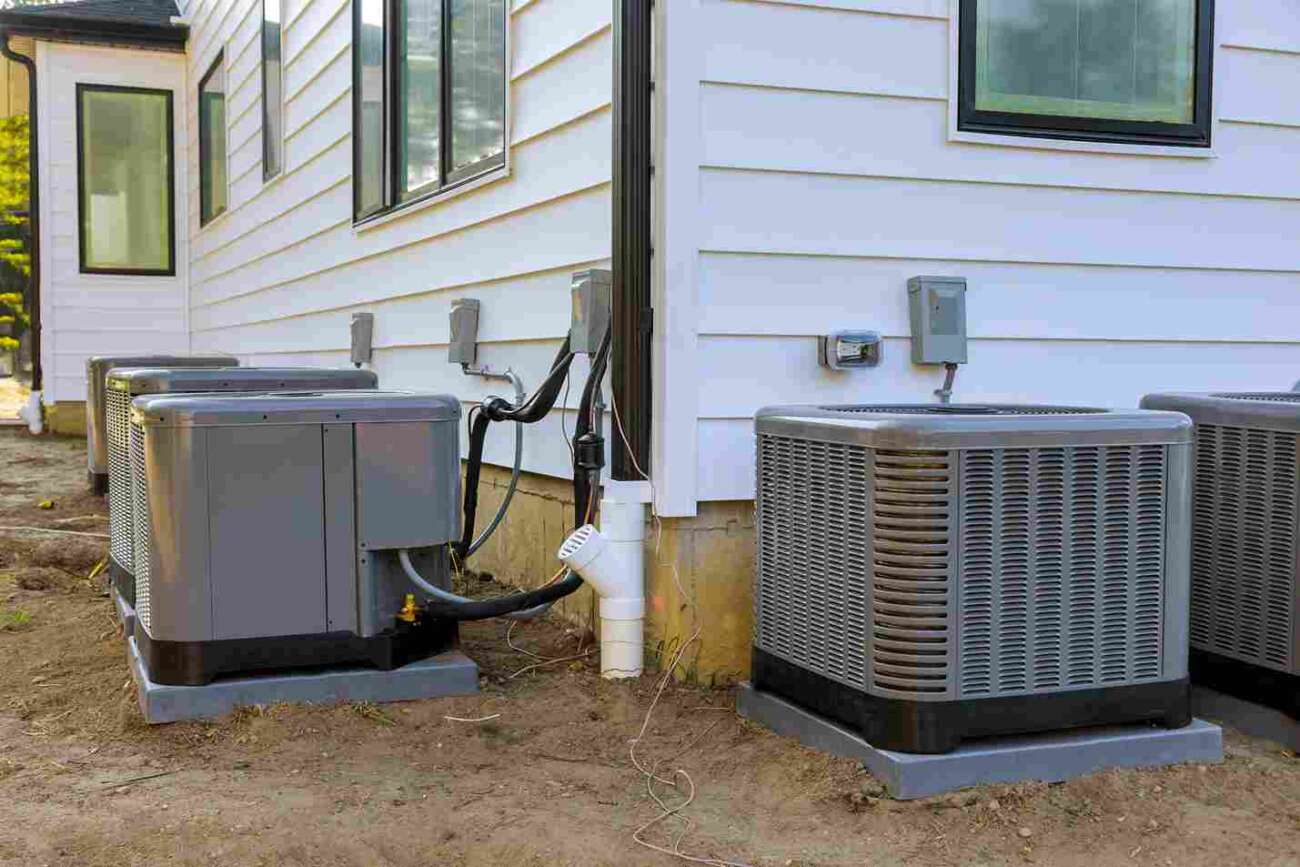

Choosing the right heating system is one of the most important decisions homeowners make when building a new home or replacing an aging HVAC unit. Both heat pumps and furnaces provide reliable indoor comfort, but they operate differently and perform best under different conditions.
With rising energy costs and growing interest in energy-efficient homes, many homeowners are comparing heat pump vs furnace to determine which option offers better long-term value. Factors such as climate, installation costs, maintenance requirements, and energy efficiency all influence the decision.
This guide explains the key differences between the two systems, their advantages, disadvantages, operating costs, and which option is best for your home in 2026.
What Is a Heat Pump?
A heat pump is an energy-efficient HVAC system that transfers heat instead of generating it. During winter, it extracts heat from the outdoor air and moves it indoors. In summer, it reverses the process and works like an air conditioner by removing heat from your home.
Unlike traditional heating systems, a heat pump provides both heating and cooling, making it a versatile solution for homeowners.
Benefits of a Heat Pump
- Lower energy consumption
- Provides heating and cooling in one system
- Reduced carbon emissions
- Consistent indoor temperatures
- Lower monthly utility bills in moderate climates
- Compatible with smart thermostats
Because modern cold-climate heat pumps have improved significantly, they now perform efficiently even in regions with colder winters.
What Is a Furnace?
A furnace generates heat by burning natural gas, propane, oil, or by using electricity. The system heats air inside the unit before distributing it through ductwork to warm every room.
Furnaces have been a trusted home heating system for decades because they provide powerful heating even during freezing temperatures.
Benefits of a Furnace
- Excellent heating performance in extremely cold climates
- Faster heating compared to most heat pumps
- Long service life with proper maintenance
- Lower upfront cost in many regions
- Reliable operation during harsh winters
Gas furnaces remain one of the most popular choices for homeowners living in northern states where winter temperatures stay below freezing for extended periods.
Heat Pump vs Furnace: Key Differences
Although both systems keep your home comfortable, they operate differently.
| Feature | Heat Pump | Furnace |
|---|---|---|
| Heating Method | Transfers heat | Generates heat |
| Cooling Function | Yes | No |
| Energy Efficiency | Very High | High |
| Fuel Source | Electricity | Gas, Oil, Propane, or Electricity |
| Best Climate | Mild to Moderate | Cold Regions |
| Installation Cost | Moderate to High | Moderate |
| Operating Cost | Lower in many climates | Depends on fuel prices |
When comparing a heat pump vs. a gas furnace, homeowners should consider their local climate and energy rates before making a decision.
Energy Efficiency Comparison
One of the biggest reasons homeowners choose a heat pump is its exceptional energy efficiency.
Instead of producing heat, a heat pump simply moves existing heat from one place to another. This process requires significantly less electricity than generating heat from scratch.
A modern energy-efficient heating system can deliver up to three units of heat for every unit of electricity consumed under ideal conditions.
A traditional furnace, on the other hand, converts fuel into heat. Even high-efficiency gas furnaces lose some energy during combustion.
Heat Pump Advantages
- Lower electricity usage
- Reduced greenhouse gas emissions
- Excellent seasonal efficiency
- Lower annual operating costs in warmer climates
Furnace Advantages
- Maintains high indoor temperatures during severe winters
- Less affected by freezing outdoor temperatures
- Reliable performance during snowstorms
For homeowners seeking HVAC energy savings, heat pumps often provide better long-term efficiency, especially in regions with mild winters.
Installation Costs
The initial investment is another important consideration when choosing between these systems.
The cost of heat pump installation is generally higher because the system provides both heating and cooling. However, homeowners may eliminate the need for a separate air conditioning unit.
A furnace installation often costs less if existing ductwork and gas connections are already in place.
Installation costs typically depend on:
- Home size
- Equipment efficiency
- Local labor rates
- Existing ductwork
- Electrical upgrades
- Smart thermostat installation
Although a heat pump may require a larger upfront investment, many homeowners recover the cost through lower monthly energy bills over time.
Which System Performs Better in Cold Weather?
Climate plays a major role when choosing the best heating system for your home.
Traditional heat pumps were less effective in freezing temperatures. However, today’s advanced cold climate heat pumps continue operating efficiently well below freezing, making them a practical choice for many regions.
A gas furnace, however, remains the preferred option in areas with prolonged sub-zero temperatures because it can produce intense heat regardless of outdoor conditions.
As a result:
- Homes in warmer climates often benefit from a heat pump.
- Homes in colder regions may perform better with a high-efficiency furnace.
- Some homeowners choose a dual-fuel HVAC system, combining a heat pump with a gas furnace for maximum efficiency and comfort.
Heat Pump vs Furnace: Operating Costs
When comparing heat pump vs. a furnace, monthly operating costs are often one of the biggest deciding factors. While the upfront investment matters, long-term energy expenses can have a greater impact over the life of the system.
A heat pump generally costs less to operate in regions with mild or moderate winters because it transfers heat rather than generating it. This makes it one of the most energy-efficient heating systems available for residential use.
A gas furnace, however, may be more economical in areas where natural gas prices are low and winters are consistently below freezing.
Factors that affect operating costs include:
- Local electricity and natural gas rates
- Home insulation quality
- HVAC system efficiency
- Outdoor climate
- Thermostat settings
- Routine HVAC maintenance
Homeowners looking to reduce heating costs should also improve insulation, seal air leaks, and schedule annual system inspections to maximize efficiency.
Maintenance Requirements
Like any residential HVAC system, both heat pumps and furnaces require regular maintenance to perform efficiently and last longer.
A heat pump operates throughout the year because it provides both heating and cooling. As a result, it typically requires more frequent inspections than a furnace.
Routine heat pump maintenance includes:
- Cleaning or replacing air filters
- Checking refrigerant levels
- Cleaning outdoor coils
- Inspecting electrical connections
- Testing thermostat performance
A gas furnace generally needs annual servicing before winter arrives. Maintenance tasks include:
- Cleaning burners
- Inspecting the heat exchanger
- Checking gas connections
- Testing the ignition system
- Replacing dirty filters
Preventive maintenance improves home comfort, reduces repair costs, and extends the life of your heating equipment.
Heat Pump vs Furnace Lifespan
Durability is another important factor when choosing a home heating system.
Under normal operating conditions, a well-maintained heat pump typically lasts 10–15 years. Since it runs year-round for both heating and cooling, it experiences more wear than a furnace.
A properly maintained gas furnace generally lasts 15–20 years, and some high-quality models can operate even longer.
To maximize system lifespan:
- Replace air filters regularly.
- Schedule annual professional inspections.
- Keep outdoor units clean and unobstructed.
- Address small repairs before they become major issues.
- Install a programmable or smart thermostat to reduce unnecessary runtime.
Pros and Cons at a Glance
| Heat Pump | Furnace |
|---|---|
| ✔ Highly energy efficient | ✔ Excellent heating in extreme cold |
| ✔ Heating and cooling in one unit | ✔ Faster heat output |
| ✔ Lower carbon footprint | ✔ Long lifespan |
| ✔ Lower operating costs in mild climates | ✔ Lower upfront cost in many homes |
| ✘ Performance may decrease in severe cold | ✘ Heating only |
| ✘ Higher installation cost | ✘ Higher fuel consumption depending on energy prices |
Which Heating System Is Right for You?
There isn’t a one-size-fits-all answer when choosing between a heat pump and a furnace. The best option depends on your home’s location, energy costs, and comfort preferences.
A heat pump may be the better choice if you:
- Live in a mild or moderate climate
- Want both heating and cooling in one system
- Prioritize energy efficiency
- Want lower long-term utility bills
- Are upgrading to a modern HVAC replacement
A furnace may be the better option if you:
- Experience long, harsh winters
- Already have a natural gas connection
- Need powerful heating during freezing temperatures
- Want a system with a longer average lifespan
For homeowners seeking the best of both worlds, a hybrid heating system or dual fuel HVAC system combines the efficiency of a heat pump with the dependable performance of a gas furnace.
Frequently Asked Questions
Is a heat pump better than a furnace?
A heat pump is generally more energy-efficient and can provide both heating and cooling. A furnace, however, delivers stronger heating performance in extremely cold climates.
Which system costs less to run?
In most moderate climates, a heat pump has lower operating costs because it transfers heat instead of generating it. In colder regions with affordable natural gas, a furnace may be more economical.
Can a heat pump replace a furnace?
Yes. Many homeowners replace older furnaces with modern heat pumps, especially in areas with moderate winters. In colder climates, a dual fuel system is often the best solution.
Which system lasts longer?
A well-maintained furnace typically lasts longer than a heat pump because it operates only during the heating season.
Which heating system is more environmentally friendly?
A heat pump produces fewer greenhouse gas emissions and uses electricity more efficiently, making it one of the most environmentally friendly heating options available today.
Final Thoughts
Choosing between a heat pump vs furnace comes down to understanding your home’s heating needs, local climate, and long-term energy goals.
If energy efficiency, lower utility bills, and year-round comfort are your priorities, a heat pump is an excellent investment. If your home is located in a region with severe winters, a high-efficiency furnace remains a dependable and powerful heating solution.
Before making a final decision, compare installation costs, operating expenses, maintenance requirements, and expected lifespan. Consulting an experienced HVAC professional can help you select the best heating system for your home based on your property’s unique requirements.
Whether you’re planning a new installation or replacing an older unit, investing in the right HVAC system today can improve comfort, reduce energy consumption, and provide reliable performance for years to come.
Ready to upgrade your home’s heating system? Consult a trusted HVAC professional to compare heat pump and furnace options based on your climate, budget, and energy goals. Choosing the right system today can lead to greater comfort, improved efficiency, and lower utility bills for years to come.
Looking for more expert HVAC tips, maintenance guides, and home comfort solutions? Visit https://hvacblogspot.com/ to explore our latest articles and stay updated with the newest HVAC trends, buying guides, and energy-saving advice.
Leave a Comment