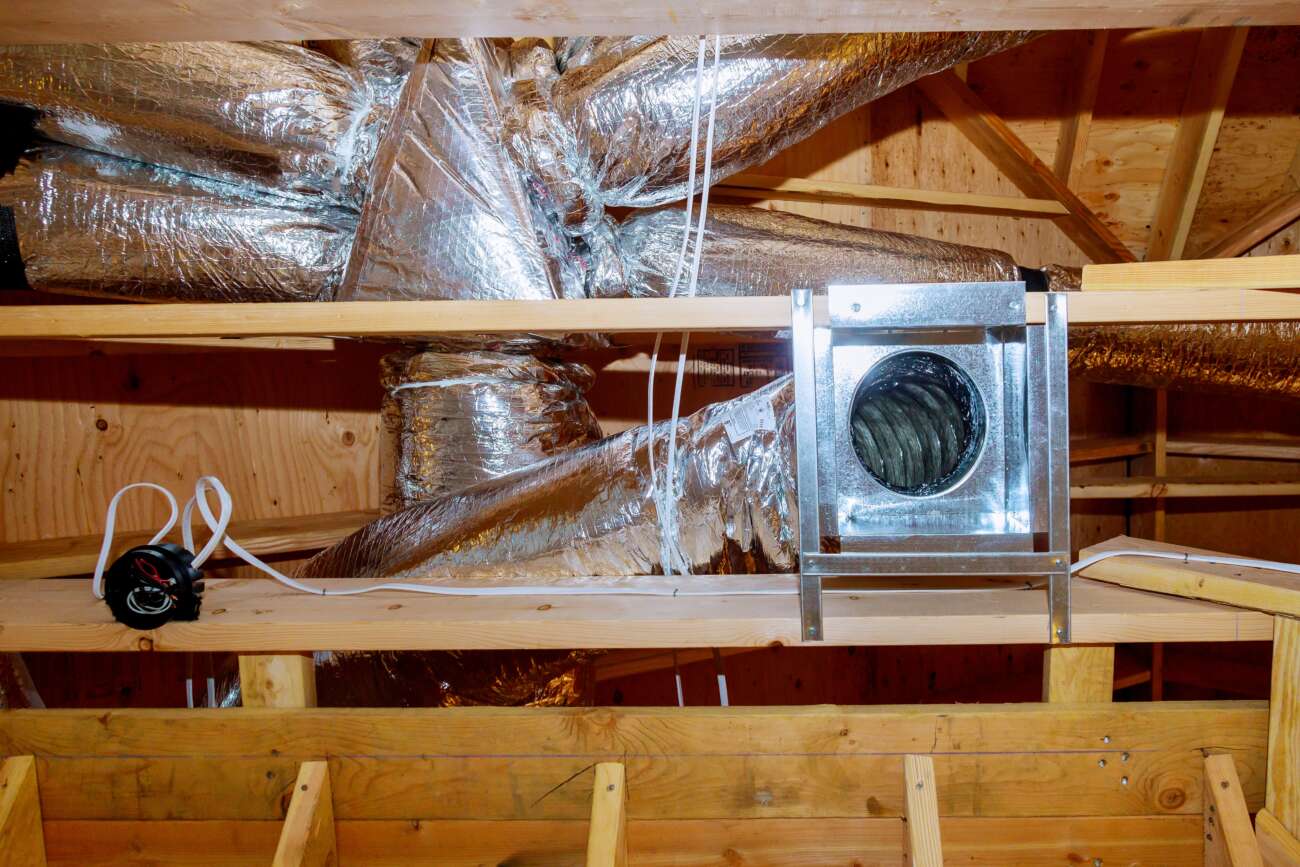

Attic ventilation is one of the most important yet often overlooked parts of a home’s overall energy system. It refers to the process of allowing fresh air to enter and exit the attic space to maintain balanced temperature and moisture levels.
Many homeowners focus only on insulation or air conditioning when trying to improve comfort and reduce energy costs. However, without proper attic airflow, even the best insulation cannot perform efficiently. A poorly ventilated attic can trap heat in summer and moisture in winter, leading to higher energy bills and structural issues over time.
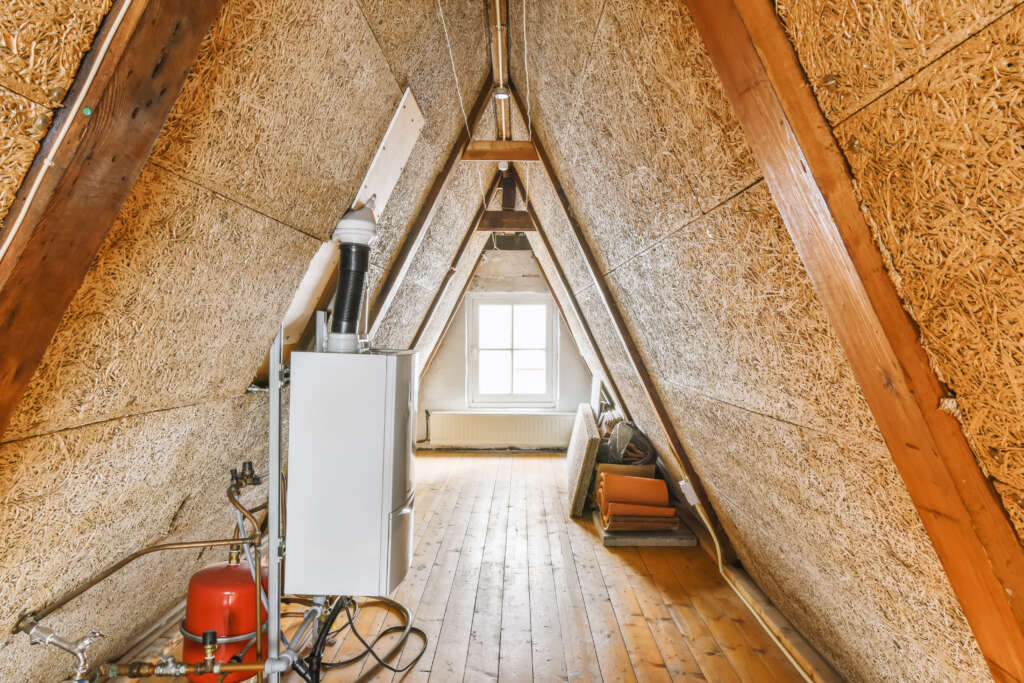
Proper attic ventilation plays a key role in maintaining a stable indoor environment, reducing energy consumption, and improving the lifespan of your roof.
How Attic Ventilation Improves Energy Efficiency
Energy efficiency in a home largely depends on how well heat is managed. During hot weather, attic temperatures can rise significantly, sometimes reaching levels far higher than the outdoor temperature.
An effective ventilation system allows hot air to escape and cooler air to enter, preventing heat buildup. This reduces the strain on your cooling system.
Key benefits include:
- Better energy efficient attic ventilation performance
- Reduced workload on HVAC systems
- Improved indoor temperature stability
- Lower overall energy consumption
When airflow is properly balanced, your home naturally maintains a more comfortable temperature with less mechanical cooling.
The Role of Attic Ventilation in Reducing Home Energy Bills
One of the biggest advantages of proper ventilation is its impact on energy costs. Many homeowners experience high electricity bills during summer and winter without realizing that poor attic airflow is a major cause.
With proper ventilation:
- Hot air escapes instead of accumulating
- Cooling systems run less frequently
- Heating systems operate more efficiently in winter
- Overall energy demand is reduced
This leads to a noticeable reduction in monthly utility expenses. Simply improving attic ventilation can result in reduced home energy bills with ventilation benefits over time.
Heat Reduction Through Roof Ventilation
A major function of attic ventilation is controlling heat buildup. Roofs absorb a large amount of solar heat, which transfers into the attic space. Without ventilation, this heat gets trapped and spreads into the living areas.
Proper heat reduction through roof ventilation works by:
- Allowing hot air to rise and exit through vents
- Drawing cooler air from soffits or intake vents
- Maintaining a balanced airflow cycle
This prevents overheating and improves overall indoor comfort, especially during peak summer months.
Attic Airflow for Better Energy Savings
Air circulation is the foundation of energy efficiency in attic spaces. Without proper airflow, heat and moisture remain trapped, forcing HVAC systems to work harder.
Good airflow provides:
- Improved attic airflow for energy savings
- Consistent temperature regulation
- Reduced strain on cooling systems
- Better long-term energy performance
Natural air movement through ridge and soffit vents helps maintain a continuous exchange of air, keeping the attic environment stable.
Cooling Your House Naturally with Attic Vents
One of the most cost-effective ways to cool a home is by using attic ventilation instead of relying entirely on air conditioning.
With proper vent placement:
- Hot air escapes through upper roof vents
- Cool air enters through lower vents
- Natural airflow reduces indoor heat buildup
This method of cooling the house naturally with attic vents helps reduce electricity usage while maintaining comfort during hot seasons.
Improving Insulation and Ventilation Efficiency
Insulation and ventilation work together to maintain a healthy home environment. While insulation slows heat transfer, ventilation removes unwanted heat and moisture.
To maximize efficiency:
- Ensure insulation does not block airflow paths
- Maintain proper balance between intake and exhaust vents
- Avoid sealing the attic completely
When both systems work together, you achieve better insulation and ventilation efficiency results and lower energy consumption.
Common Problems Caused by Poor Attic Ventilation
Improper ventilation can lead to several serious issues:
- Excess heat buildup in summer
- Moisture accumulation in winter
- Mold and mildew growth
- Higher energy bills
- Premature roof damage
- Reduced HVAC efficiency
These problems not only affect comfort but also increase long-term maintenance costs.
Best Practices for Effective Attic Ventilation
To ensure proper performance, follow these best practices:
- Install balanced intake and exhaust vents
- Keep vents clean and unblocked
- Use ridge and soffit vents for natural airflow
- Inspect ventilation systems regularly
- Adjust airflow based on seasonal needs
Regular maintenance ensures your ventilation system continues to perform efficiently year-round.
Conclusion
Attic ventilation is a simple yet powerful way to improve home comfort and reduce energy consumption. By maintaining proper airflow, homeowners can significantly lower cooling and heating costs while protecting the structure of their roof.
From reducing heat buildup to improving insulation performance, a well-ventilated attic provides long-term energy savings and better indoor comfort.
At HVAC Blog Spot, we believe that understanding your home’s airflow system is the first step toward building a more energy-efficient and comfortable living space.
FAQs
What is the main purpose of attic ventilation?
Its main purpose is to remove excess heat and moisture from the attic, improving comfort and energy efficiency.
How does attic ventilation reduce energy bills?
It reduces the workload on heating and cooling systems, leading to lower electricity usage.
Can poor attic ventilation increase electricity costs?
Yes, trapped heat forces HVAC systems to work harder, increasing energy consumption.
What are signs of bad attic ventilation?
High indoor temperatures, mold growth, moisture buildup, and rising energy bills are common signs.
Is attic ventilation necessary in all climates?
Yes, although the type and amount of ventilation may vary depending on climate conditions.
How often should attic ventilation be checked?
It should be inspected at least once or twice a year to ensure proper airflow and performance.
Leave a Comment