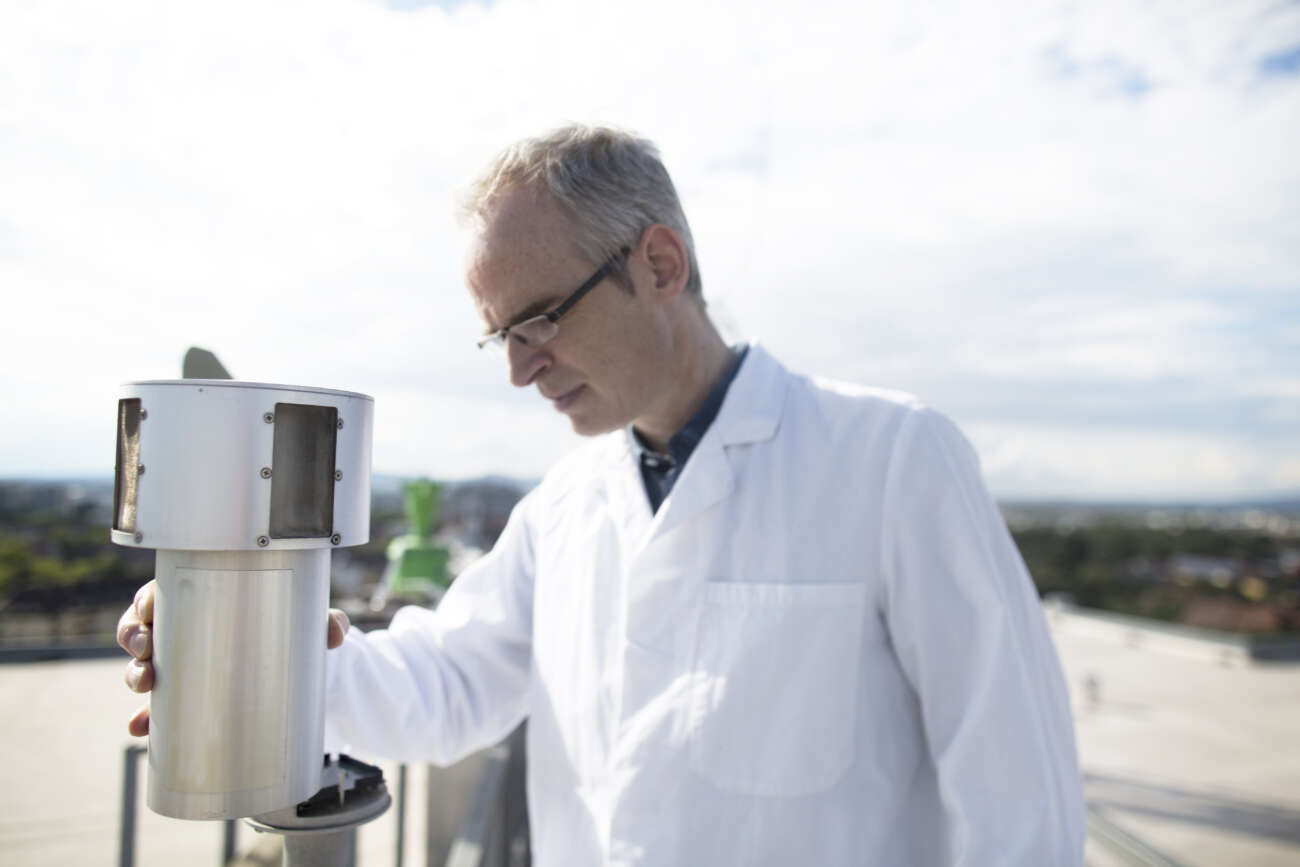

Indoor air quality testing is something most people don’t think about until problems start appearing like allergies, headaches, breathing discomfort, or constant dust buildup. The truth is, indoor air can sometimes be more polluted than outdoor air due to poor ventilation, chemicals, mold, and everyday household or office activities.
This is why air quality control testing and purification solutions have become essential for both homes and businesses. Understanding what is in your air and how to fix it, can significantly improve health, comfort, and productivity.
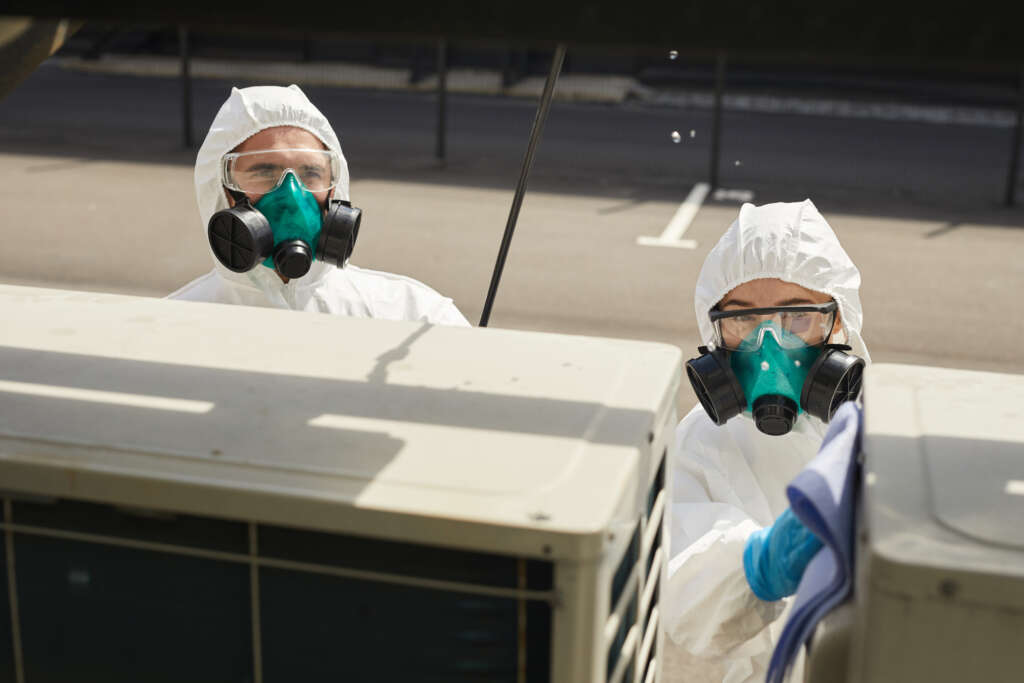
HVAC Blog Spot helps educate homeowners and facility managers about how testing and purification systems work together to create safer indoor environments.
Below are the 10 most important things you need to know.
Indoor Air Quality is Not Always Safe
Many people assume indoor air is clean because it “feels” safe. However, indoor environments often contain:
- Dust and dust mites
- Mold spores
- Pet dander
- Volatile organic compounds (VOCs) from cleaning products
- Smoke particles and cooking fumes
These pollutants build up slowly and can go unnoticed for long periods.
That’s why Indoor air quality testing and purification services are essential to identify hidden risks.
Air Quality Testing Measures Invisible Problems
Air quality testing is a scientific process used to detect pollutants that cannot be seen or smelled easily.
Professional testing typically measures:
- Particulate matter (PM2.5 and PM10)
- Carbon dioxide levels
- Humidity and temperature balance
- VOC levels
- Mold presence
Without testing, it is impossible to know the true condition of indoor air.
Testing Alone Does Not Improve Air Quality
A common misunderstanding is that testing improves air quality. In reality:
- Testing identifies problems
- Purification solves them
This is why air quality control testing and purification solutions are used together as a complete system.
Health Symptoms Often Indicate Poor Air Quality
Poor indoor air quality can cause subtle but persistent symptoms, such as:
- Frequent headaches
- Sneezing or allergy flare-ups
- Fatigue and low energy
- Eye, nose, or throat irritation
- Difficulty concentrating
Many people don’t realize these symptoms are connected to air quality until testing is done.
Home Air Quality Requires Continuous Management
Residential environments may seem safer, but they often trap pollutants due to limited ventilation.
Professional air quality testing and purification solutions for homes help:
- Identify hidden allergens
- Improve sleep quality
- Reduce asthma and allergy triggers
- Maintain balanced humidity levels
Regular monitoring ensures long-term indoor safety.
Commercial Buildings Face Higher Air Risks
Offices and commercial spaces often have more complex air quality challenges due to:
- High occupancy levels
- Electronic equipment emissions
- Poor ventilation systems
- Continuous indoor activity
Commercial air quality monitoring and purification systems help maintain healthier work environments, which improves employee productivity and reduces sick days.
Advanced Technology Improves Air Cleaning Efficiency
Modern systems use advanced technology to detect and remove pollutants more effectively:
- HEPA filtration captures fine particles
- UV-C light kills bacteria and viruses
- Ionization reduces airborne contaminants
- Smart sensors monitor air quality in real time
These innovations are part of advanced indoor air testing and air purification technologies designed for precision and efficiency.
HVAC Systems Play a Major Role
Heating, ventilation, and air conditioning systems are central to indoor air quality. If not maintained properly, they can spread dust and allergens.
Key HVAC-related solutions include:
- Filter upgrades (HEPA or high-efficiency filters)
- Regular duct cleaning
- System inspections and maintenance
HVAC air quality testing and filtration solutions ensure that air circulating through your building remains clean and safe.
Cost Depends on System Type and Scope
The cost of air quality solutions varies based on several factors:
- Size of the home or office
- Level of pollution detected
- Type of purification system installed
- Whether HVAC upgrades are needed
- Frequency of testing and maintenance
Many people search for affordable air quality assessment and purification services near me to find cost-effective solutions without compromising quality.
Professional Experts Ensure Accurate Results
DIY air purifiers and basic test kits can only provide limited insights. They often miss deeper issues like hidden mold or chemical pollutants.
Certified professionals provide:
- Accurate air quality testing
- Tailored purification recommendations
- Long-term maintenance plans
- Compliance with safety standards
Working with certified air quality inspection and purification experts ensures that both problems and solutions are handled correctly.
Conclusion
Indoor air quality directly affects health, comfort, and productivity, yet it is often ignored until problems become serious. Understanding air quality control testing and purification solutions helps identify hidden risks and ensures cleaner, healthier indoor environments.
By combining accurate testing with advanced purification systems, both homes and offices can maintain safe and breathable air throughout the year. For reliable insights and guidance, resources like HVAC Blog Spot play an important role in educating users about better indoor air management.
Frequently Asked Questions
Q1: How often should indoor air be tested?
At least once a year, or more frequently if symptoms or air quality issues appear.
Q2: Do air purifiers remove all pollutants?
No, effectiveness depends on the technology used and the type of pollutant.
Q3: Is air quality testing necessary for homes?
Yes, especially if there are allergies, pets, or humidity issues.
Q4: Can HVAC systems improve air quality?
Yes, with proper filtration and maintenance, HVAC systems significantly improve indoor air.
Q5: Are professional services worth it?
Yes, because they provide accurate diagnosis and long-term solutions.
Leave a Comment