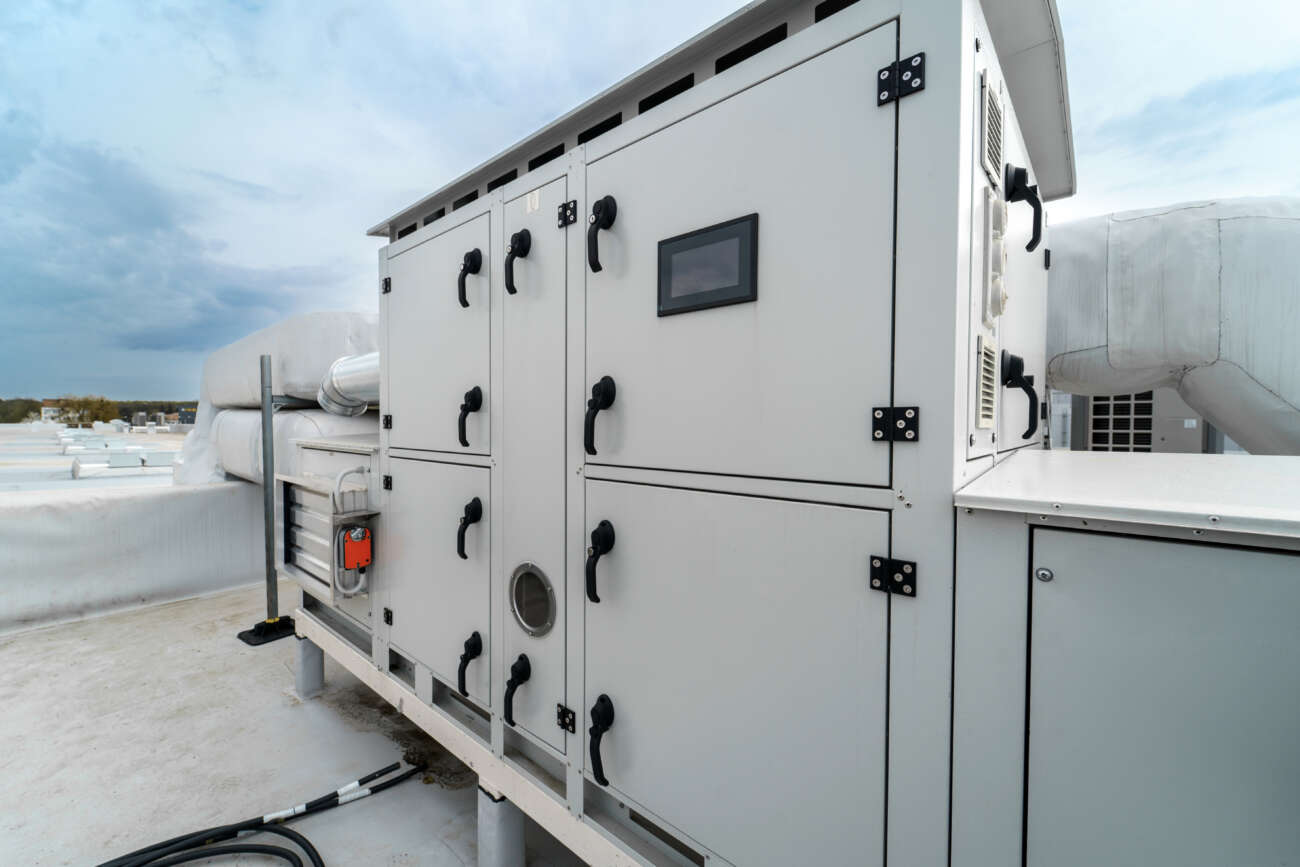

HVAC Control panels Modern homes and commercial buildings are rapidly adopting energy‑efficient HVAC systems and smart automation. At the heart of this transformation lies the HVAC control panel. The brain that manages cooling, airflow, and energy consumption. If you’re planning an air conditioner replacement in 2026, choosing the right control panel is critical for performance, comfort, and long‑term savings.
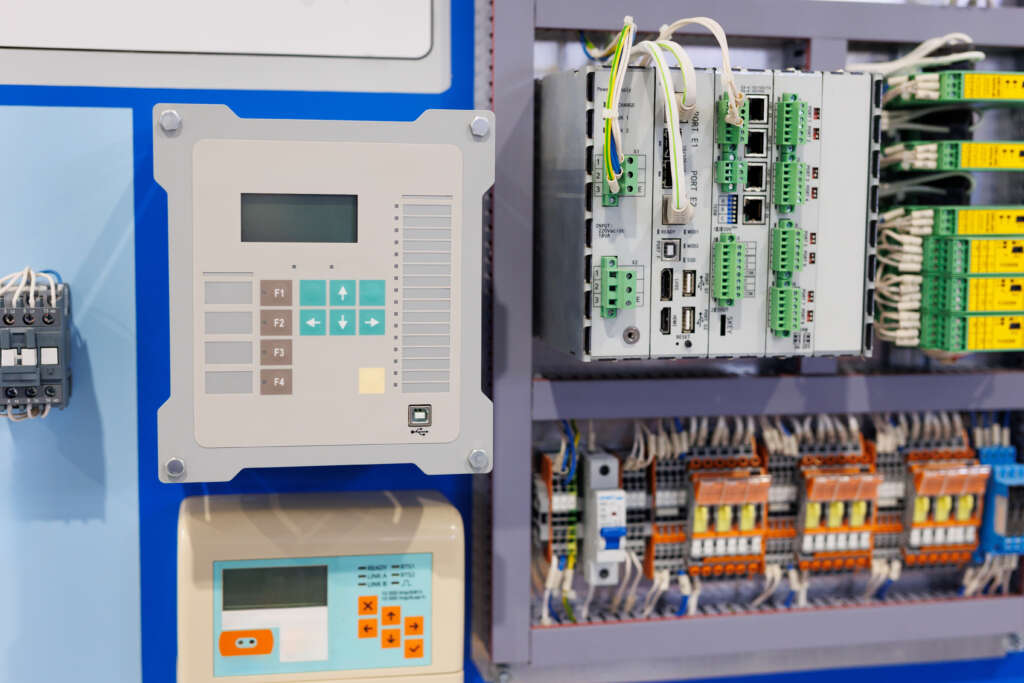
In this guide, we’ll explain what HVAC control panels are, why they matter, common mistakes to avoid, and highlight the top 5 HVAC control panels available in 2026.
What Is an HVAC Control Panel?
An HVAC electrical control panel regulates how your air conditioning system operates. It manages:
- Temperature settings
- Fan speed and airflow
- System timing and safety controls
These panels often integrate with HVAC automation systems or even building automation systems, enabling centralized or remote control across entire facilities. For homeowners, this means smarter comfort; for businesses, it means reduced energy costs and better system monitoring.
A modern HVAC control panel is more than just switches and relays. It’s a digital hub that communicates with sensors, thermostats, and cloud platforms to deliver precise climate control. This makes them essential for smart buildings and energy‑conscious households.
Why HVAC Control Panels Matter in 2026
Technology has reshaped HVAC systems. In 2026, users expect:
- Smart temperature control with AI‑driven adjustments
- Energy efficiency to reduce utility bills
- Remote access via mobile apps or cloud platforms
- Seamless integration with building automation systems
Outdated or incompatible panels can cause poor cooling, higher electricity bills, and frequent breakdowns. That’s why selecting the right replacement panel is more important than ever.
Additionally, governments and organizations worldwide are pushing for sustainability standards. HVAC Repairing systems that fail to meet efficiency benchmarks may increase operating costs or even face regulatory issues. A modern control panel ensures compliance while maximizing comfort.
Common Problems Users Face
Before upgrading, many users encounter issues such as:
- Installing the wrong panel that doesn’t match existing HVAC systems
- Faults caused by incorrect HVAC panel wiring
- Confusion between residential vs. industrial HVAC controls
- Frequent failures due to low‑quality replacements
- Lack of technical knowledge during upgrades
These mistakes often lead to unnecessary repair costs and frustration. For example, a residential panel installed in an industrial setting may burn out quickly, while industrial panels in homes may waste energy. Understanding these differences is key to avoiding costly errors.
Key Factors to Consider Before Replacement
When selecting a new HVAC control panel, keep these points in mind:
- System Compatibility – Ensure the panel works with your current HVAC setup.
- Wiring Requirements – Proper wiring is essential for safety and performance.
- Automation Features – Look for panels that support smart HVAC automation.
- Usage Type – Residential and industrial systems differ in design and power handling.
- Integration Capability – If your building uses a BAS, confirm full compatibility.
- Energy Efficiency Ratings – Panels with advanced optimization features can reduce long‑term costs.
- Ease of Use – User‑friendly interfaces make daily operation simpler for homeowners and facility managers.
- Scalability – For growing businesses, choose a panel that can expand with future needs.
Top 5 HVAC Control Panels in 2026
Here are the most reliable and widely recommended 5 HVAC control panels for 2026:
1. Siemens Climatix Series Control Panel
- Advanced automation capabilities
- High energy efficiency
- Flexible configuration for diverse HVAC systems
Best For: Large buildings and advanced automation setups
2. Honeywell ComfortPoint Control Panel
- User‑friendly interface
- Reliable electrical design
- Seamless BAS integration
Best For: Commercial buildings and smart homes
3. Johnson Controls Metasys Panel
- Industrial‑grade HVAC controls
- Strong monitoring and diagnostics
- Scalable for large facilities
Best For: Industrial and large‑scale environments
4. Schneider Electric EcoStruxure Panel
- Smart energy optimization
- Cloud‑based automation support
- Strong compatibility with modern wiring setups
Best For: Smart buildings and energy‑conscious users
5. Carrier i‑Vu Control System
- Simple installation and configuration
- Supports multiple HVAC systems
- Remote access capabilities
Best For: Residential and light commercial use
HVAC Control Panel Wiring Guide
Correct wiring ensures safety and performance. Key tips:
- Always follow manufacturer diagrams
- Check voltage compatibility
- Avoid mixing industrial and residential standards
- Hire certified technicians for installation
Improper wiring can lead to short circuits, fire hazards, or complete system failure. Investing in professional installation ensures your panel operates safely and efficiently.
Industrial vs. Residential HVAC Control Systems
Industrial HVAC Controls
- Heavy‑duty usage
- Large‑scale cooling systems
- Advanced configuration
Residential HVAC Systems
- Simpler installation
- Lower power requirements
- Focus on comfort and efficiency
Choosing the wrong type can lead to inefficiency or damage. For example, industrial systems often require three‑phase wiring, while residential systems typically use single‑phase setups.
Benefits of Modern HVAC Automation Systems
Modern HVAC panels are part of intelligent ecosystems. Benefits include:
- Reduced energy consumption
- Smart temperature adjustments
- Remote monitoring and control
- Integration with BAS
- Improved diagnostics and predictive maintenance
These features not only improve comfort but also extend the lifespan of your HVAC equipment. Businesses benefit from reduced downtime, while homeowners enjoy consistent comfort and lower bills.
Final Recommendations
When replacing your HVAC control panel in 2026:
- Focus on compatibility and automation features
- Don’t choose based on price alone
- Consider whether your system is residential or industrial
- Invest in long‑term efficiency and reliability
- Always consult certified technicians for installation
Conclusion
HVAC control panels are the core of modern air conditioning systems. With advancements in automation, users now enjoy smarter, more efficient, and more reliable control options. From Siemens to Honeywell and Schneider Electric, each system offers unique advantages depending on your needs. By understanding your requirements and avoiding mistakes like poor wiring, you can ensure long‑term comfort and savings.
FAQs
Q1: What is the role of an HVAC control panel?
It acts as the brain of your AC system, managing temperature, airflow, and timing.
Q2: How do I know if my HVAC control panel needs replacement?
Frequent failures, poor cooling, or rising electricity bills are common signs.
Q3: Can I install an HVAC control panel myself?
Professional installation is recommended to avoid wiring errors and safety risks.
Q4: What’s the difference between residential and industrial HVAC panels?
Residential panels focus on comfort and efficiency, while industrial panels handle heavy‑duty systems.
Q5: Which HVAC control panel is best for smart homes in 2026?
Honeywell ComfortPoint and Carrier i‑Vu are excellent for smart homes.
Leave a Comment