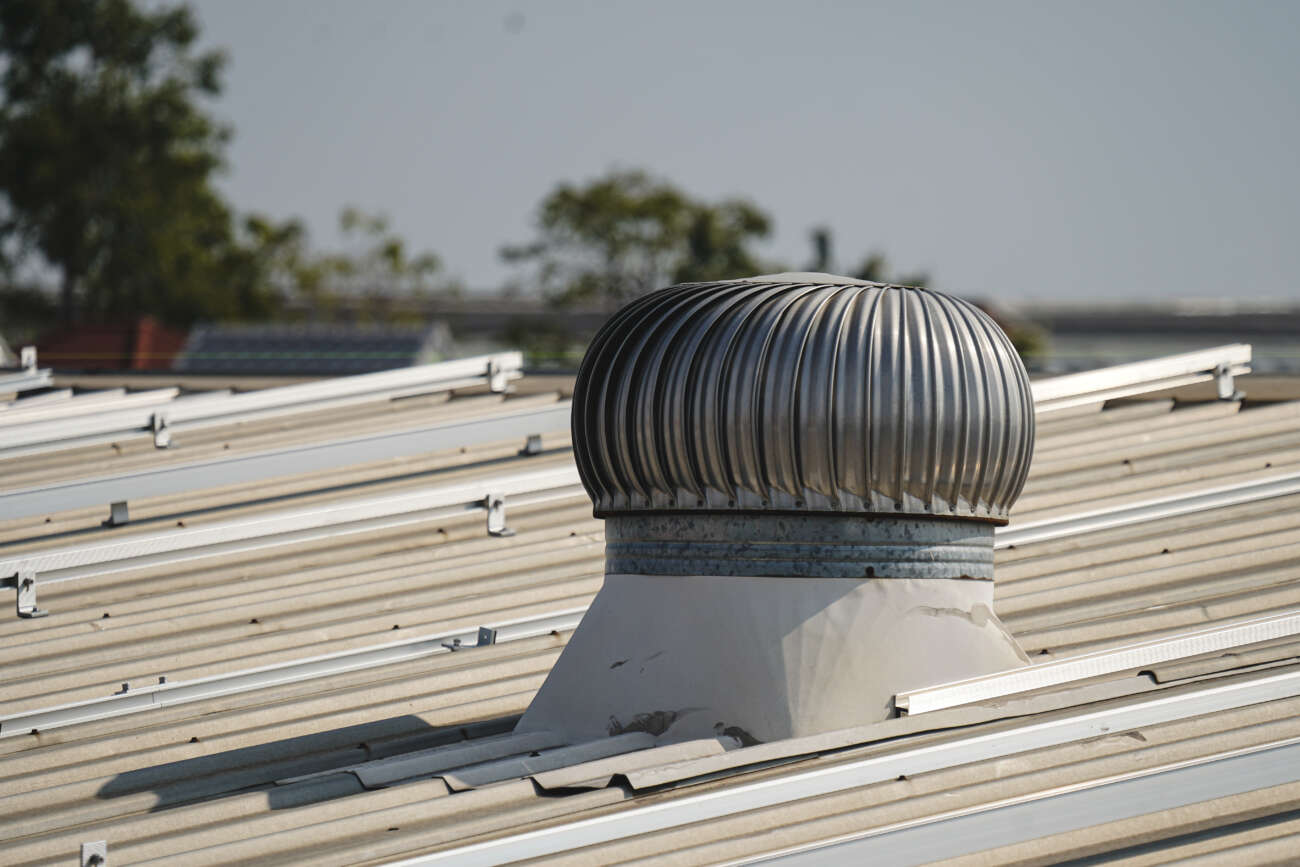

A comfortable home is more than just stylish interiors and powerful air conditioning. It’s about maintaining healthy airflow throughout the structure. One of the most overlooked factors in home comfort is roof ventilation. Without it, heat and moisture accumulate in the attic, spreading into living spaces, raising energy bills, and even damaging your home’s structure.
This article explains what roof ventilation is, why it matters for indoor air quality, the different types of systems available, and the best setup for long‑term efficiency.
What Is Roof Ventilation?
Roof ventilation is the process of allowing air to circulate through your attic space. It works on a simple principle:
- Cool air enters through intake vents.
- Hot, moist air exits through exhaust vents.
This cycle prevents heat and humidity from being trapped. Without proper ventilation, attics can reach extreme temperatures, sometimes over 150°F (65°C), which then radiates into living areas. Moisture from daily activities like cooking and bathing also gets trapped, leading to mold growth and structural damage.
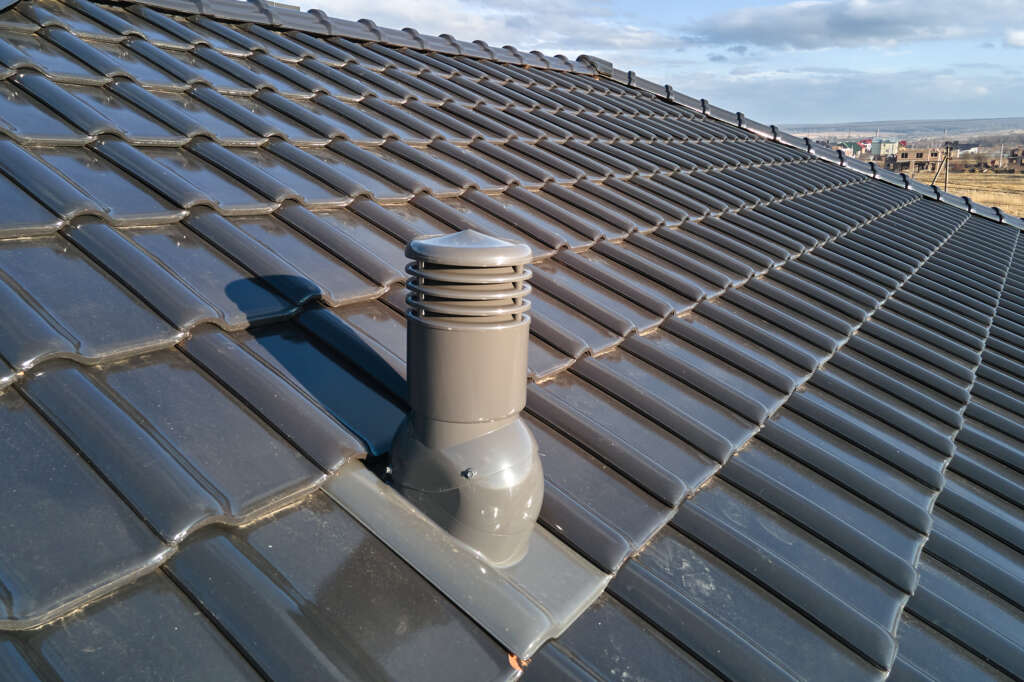
A well‑designed Passive Roof ventilation system balances intake and exhaust, ensuring continuous airflow that protects both comfort and the integrity of your home.
Why Roof Ventilation Matters for Air Quality
Roof ventilation isn’t just about keeping your attic cool. It directly impacts the health of your indoor environment.
1. Heat Control
Attics without ventilation act like ovens, pushing hot air into bedrooms and living spaces. Proper ventilation removes this excess heat, stabilizing indoor temperatures and reducing strain on your HVAC system.
2. Moisture Management
Moisture from showers, cooking, and weather conditions rises into the attic. Without ventilation, it condenses on surfaces, leading to mold, mildew, and wood rot. Ventilation ensures this moisture escapes before it causes damage.
3. Air Quality Improvement
Stagnant air allows dust, allergens, and pollutants to accumulate. Fresh airflow reduces these contaminants, creating a healthier environment for your family.
In short, roof ventilation is essential for comfort, health, and energy efficiency.
Types of Roof Ventilation Systems
Different homes require different ventilation solutions. Here are the most common systems:
Ridge Vents
Installed along the roof’s peak, ridge vents allow hot air to escape naturally.
- Best for: Modern sloped roofs
- Advantages: Energy‑efficient, low maintenance
- Limitations: Must be paired with intake vents to work properly
Soffit Vents
Located under roof eaves, soffit vents bring fresh air into the attic.
- Best when combined with ridge vents
- Ensures balanced airflow from bottom to top
Attic Fans (Powered Ventilation)
Electric fans actively pull hot air out of the attic.
- Best for: Extremely hot climates
- Pros: Rapid heat removal
- Cons: Requires electricity and regular maintenance
Gable Vents
Mounted on attic walls, gable vents allow air movement through openings.
- Best for: Simple roof structures
- Cons: Less efficient compared to ridge + soffit systems
Each system has unique strengths, but efficiency depends on proper installation and balance.
The Best Roof Ventilation Setup
The most effective solution is a balanced system combining soffit vents (intake) and ridge vents (exhaust).
Here’s how it works:
- Cool air enters through soffit vents at the roof’s base.
- Hot air rises and escapes through ridge vents at the peak.
This natural cycle maintains stable attic temperatures, prevents moisture buildup, and reduces HVAC strain.
Benefits of a Balanced System
- Energy Savings: Lower cooling costs by reducing attic heat.
- Healthier Air: Prevents mold and allergens from spreading indoors.
- Structural Protection: Reduces risk of wood rot, peeling paint, and roof damage.
For most homes, this Smart Ventilation setup offers the best combination of efficiency, affordability, and long‑term durability.
Conclusion
Poor roof ventilation is one of the most common yet overlooked causes of high energy bills, uncomfortable indoor temperatures, and mold problems. By upgrading to a balanced system, you can:
- Reduce heat buildup
- Improve indoor air quality
- Lower electricity costs
- Protect your home’s structure
Roof ventilation is not a luxury, it’s a necessity. Regular inspections and timely upgrades ensure your home remains comfortable, healthy, and energy‑efficient for years to come.
FAQs
Q1: What is the most effective roof ventilation system?
The most effective setup is a balanced system that combines soffit vents (intake) with ridge vents (exhaust). This design ensures continuous airflow, keeping the attic cool and moisture‑free.
Q2: Can poor roof ventilation cause mold?
Yes. When moisture gets trapped in the attic, it creates the perfect environment for mold and mildew growth. Proper ventilation prevents this by allowing humid air to escape.
Q3: How does roof ventilation reduce energy costs?
By lowering attic temperatures, roof ventilation reduces the workload on your air conditioning system. This leads to faster cooling, less energy consumption, and lower monthly electricity bills.
Q4: Is roof ventilation necessary in all homes?
Absolutely. Whether you live in a hot or cold climate, ventilation is essential for maintaining comfort, protecting your roof structure, and improving indoor air quality.
Q5: How often should roof ventilation be inspected?
Experts recommend inspecting your ventilation system at least once a year. Look for blocked vents, signs of moisture, or insulation issues that may restrict airflow.
Q6: Can I install roof ventilation myself?
Basic maintenance like cleaning vents can be DIY, but installing a new system or fixing airflow imbalances should be handled by professionals to avoid costly mistakes.
Q7: What are common mistakes in roof ventilation installation?
The most frequent errors include blocked vents, incorrect sizing, mixing incompatible systems, and using poor‑quality materials. These mistakes reduce efficiency and may even worsen ventilation problems.
Leave a Comment