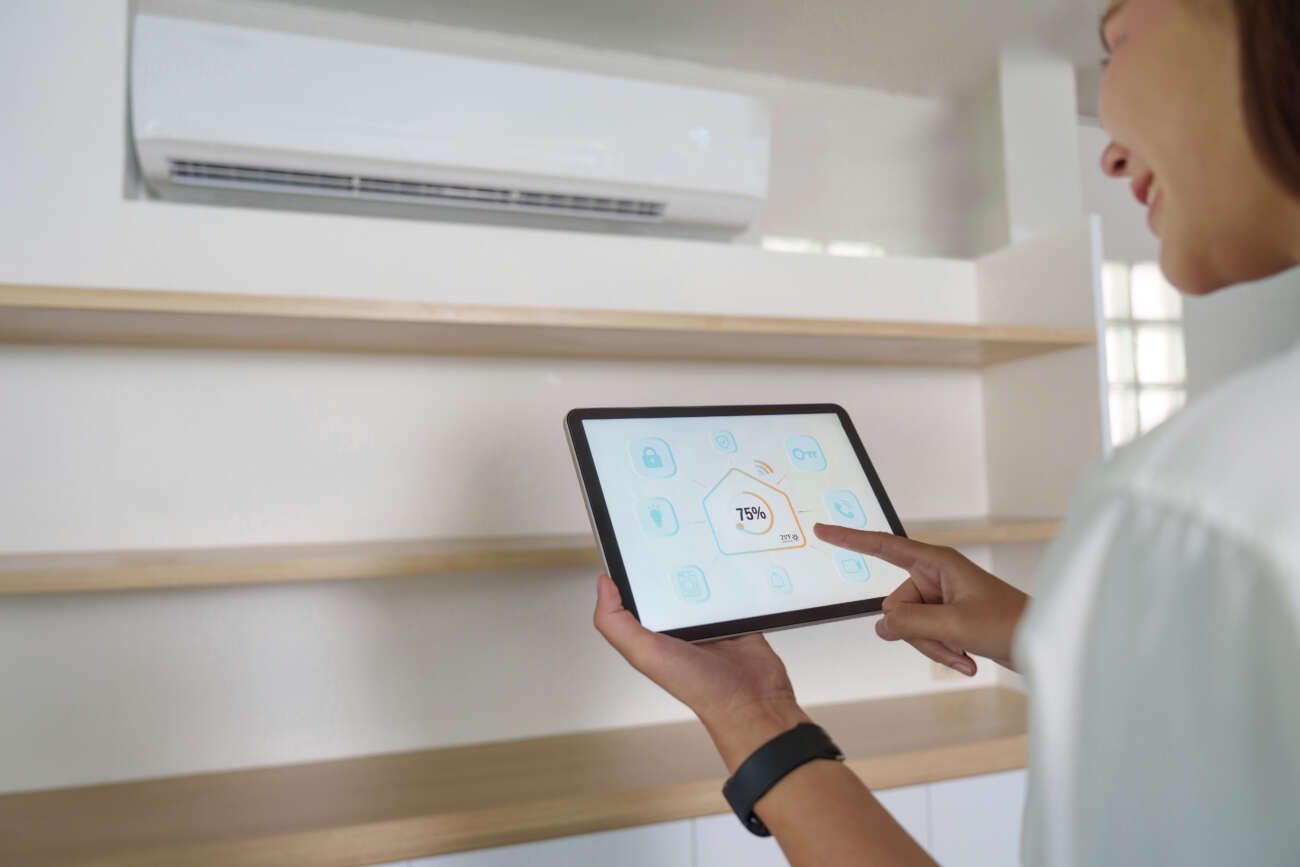

In the United States, heating and cooling account for a significant portion of household energy consumption. Rising energy prices and increasingly extreme climate conditions have made homeowners search for smarter, more efficient solutions. This is where the Smart HVAC System is revolutionizing the way we think about indoor comfort and energy efficiency.
Unlike traditional systems that rely on manual settings and fixed operation, modern smart systems bring automation, connectivity, and intelligence into home climate control. These technologies are not just a passing trend. They are becoming a necessity in energy‑conscious households across America.
What Is a Smart HVAC System?
A Smart HVAC System is an advanced heating, ventilation, and air conditioning solution that uses sensors, internet connectivity, and automation to manage indoor temperature more efficiently.
Instead of manually adjusting thermostats, these systems learn user behavior, adjust temperatures in real time, and optimize energy usage. In simple terms, a smart HVAC system thinks for you, adjusting your home’s climate based on habits, weather conditions, and energy goals.
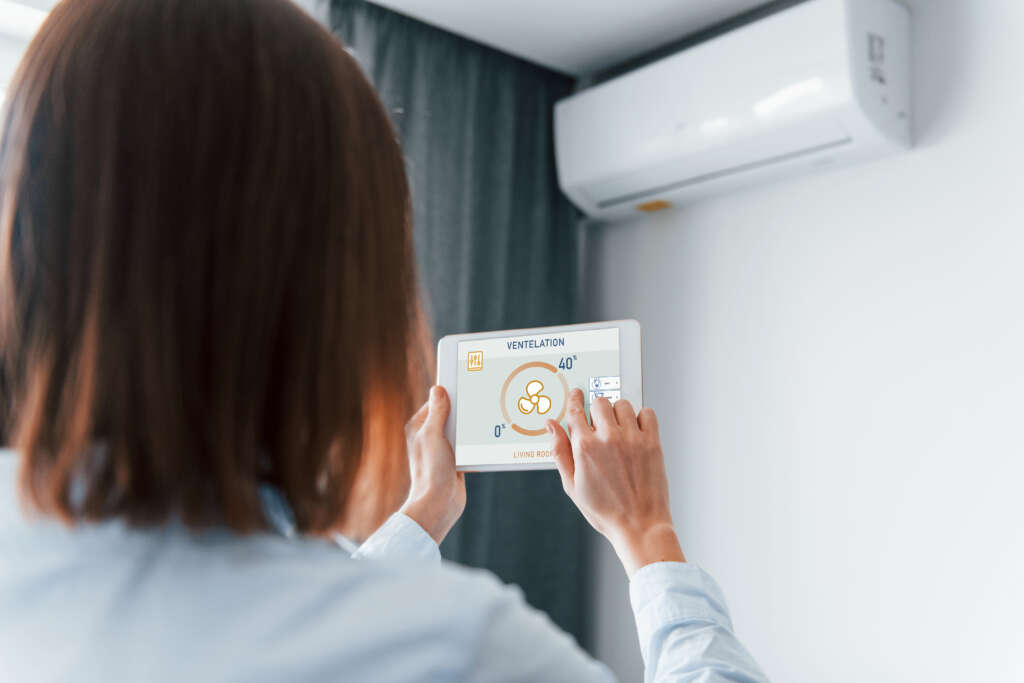
This evolution marks a major step forward from traditional HVAC systems, which lacked automation and adaptability. Smart HVAC systems are designed to deliver comfort while minimizing waste.
How Smart HVAC Systems Work
Smart HVAC systems operate using a combination of technologies:
- IoT connectivity for seamless communication
- Temperature, humidity, and occupancy sensors to track conditions
- Cloud‑based data processing for real‑time insights
- AI‑driven automation algorithms to optimize performance
For example, if no one is home, the system reduces heating or cooling to save energy. When you’re on your way back, it restores your preferred temperature before you arrive. Most systems also connect to mobile apps, allowing homeowners to control their HVAC Repair units remotely from anywhere.
Key Features of Smart HVAC Technology
Modern smart HVAC systems offer a wide range of advanced features that go beyond basic temperature control:
- Automated scheduling and adjustments
- Real‑time energy consumption tracking
- Remote access via smartphone apps
- Adaptive learning based on user behavior
- Integration with smart home devices
These capabilities make climate management effortless and highly efficient, ensuring that comfort and savings go hand in hand.
Benefits of Smart HVAC Systems
Lower Energy Bills
Optimized performance ensures energy is not wasted when it is not needed.
Improved Comfort
Smart systems maintain consistent indoor comfort across rooms, eliminating uneven temperatures.
Better Energy Efficiency
With energy‑efficient HVAC technology, systems operate only when required and at optimal levels.
Long‑Term Savings
Although initial costs may be higher, the long‑term savings on utility bills often outweigh the investment.
Smart Thermostat Integration
Smart thermostats act as the brain of the system, controlling temperature intelligently. Integration with devices like Google Home or Amazon Alexa allows homeowners to adjust settings using voice commands or mobile apps.
This integration is especially popular in the USA, where smart home adoption is rapidly increasing.
Connected Home HVAC Solutions
The rise of smart homes has made HVAC systems more connected than ever. Today’s connected home HVAC solutions allow seamless integration with other smart devices like lighting, security systems, and appliances.
For example, your HVAC system can automatically adjust temperature when your smart door lock detects that you’ve left home. This level of automation creates a fully synchronized living environment.
Challenges in Adoption
Despite the benefits, homeowners face some challenges:
- High upfront installation and upgrade costs
- Compatibility issues with older HVAC units
- Maintenance and technical support concerns
- Uncertainty about return on investment (ROI)
These pain points often delay adoption, even though long‑term benefits are significant.
Energy Efficiency & Environmental Impact
Traditional HVAC systems consume excessive energy, increasing carbon emissions. Smart systems reduce this impact by optimizing usage and lowering waste.
With energy‑efficient HVAC technology, homeowners can significantly lower their carbon footprint while also saving money. This aligns with the growing demand for sustainable living solutions across American households.
Future of Intelligent Climate Control
The future of HVAC technology is moving toward full automation and AI‑driven decision‑making. Intelligent climate control systems will soon be able to predict weather changes, adjust indoor environments automatically, and even detect maintenance needs before breakdowns occur.
We are also seeing rapid growth in fully integrated smart homes where HVAC systems work in harmony with lighting, security, and energy systems. In the near future, manual climate control may become obsolete in advanced homes.
Conclusion
A Smart HVAC System represents a major step forward in home comfort, energy efficiency, and automation. While the initial investment may seem high, the long‑term benefits lower energy bills, improved comfort, and reduced environmental impact — make it a strong choice for modern households.
As technology continues to evolve, smart HVAC systems will become even more intelligent, affordable, and widely adopted. For homeowners looking to upgrade their living experience, the future of climate control is already here.
FAQs
- What is a Smart HVAC System?
A Smart HVAC System uses sensors, connectivity, and automation to manage heating, ventilation, and cooling more efficiently. - How does a Smart HVAC System save energy?
It reduces unnecessary usage by adjusting settings based on occupancy and user behavior. - Can Smart HVAC Systems be controlled remotely?
Yes, most systems connect to mobile apps for monitoring and control. - Are Smart HVAC Systems expensive?
Initial costs are higher, but long‑term savings outweigh the investment.
Leave a Comment