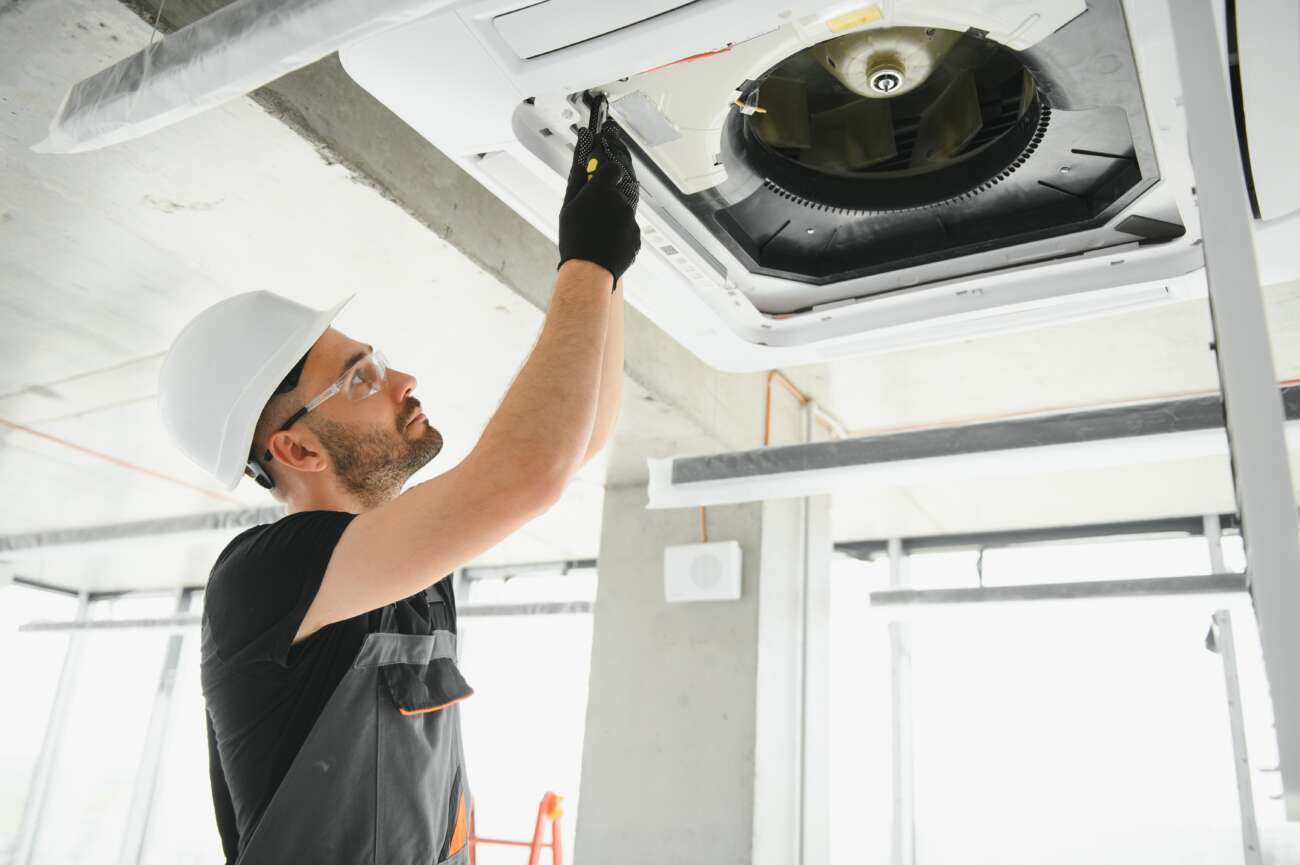

Welcome to HVAC Blog Spot, your trusted guide for understanding everything about HVAC Installation. Installing a heating and cooling system is one of the most important decisions for any homeowner. A properly executed HVAC Installation directly impacts:
- Indoor comfort
- Energy efficiency
- Monthly utility bills
- Long-term system durability
What Is HVAC Installation?
HVAC installation is the process of designing, positioning, connecting, and testing a heating, ventilation, and air conditioning system within a residential or commercial building. The goal is to ensure the system operates efficiently, delivers consistent comfort, and meets the specific heating and cooling needs of the space.
A complete HVAC system is made up of several key components. The indoor unit, such as an air handler or furnace, is responsible for circulating conditioned air throughout the building. The outdoor condenser unit works to release or absorb heat depending on whether the system is cooling or heating.
Step-by-Step HVAC Installation Process
1: Home Evaluation & Load Calculation
The HVAC installation process begins with a detailed home inspection to determine the correct system size and requirements. This includes measuring the square footage, checking insulation quality, and evaluating how well the home retains temperature.
Technicians also assess window placement to understand heat gain and loss throughout the day. Finally, the climate zone is considered to ensure the system is designed to handle local weather conditions efficiently.
2: System Selection
Homeowners choose between:
- Central air systems provide whole-home cooling and heating by distributing conditioned air through a network of ducts.
- Heat pumps offer both heating and cooling by transferring heat between indoor and outdoor air for energy-efficient comfort.
- Split systems use separate indoor and outdoor units to deliver flexible and efficient temperature control for residential spaces.
- High-efficiency Sign HVAC units are designed to reduce energy consumption while maintaining strong and consistent indoor comfort.
This depends on budget, climate, and whether it’s residential HVAC installation or commercial use.
3: HVAC Installation & Replacement
If replacing an old system:
- Refrigerant is carefully recovered using proper equipment to prevent environmental harm and ensure safe disposal.
- The existing HVAC system is systematically taken apart and removed without damaging surrounding components.
- All duct connections are checked for leaks, damage, or wear to ensure proper airflow and system efficiency before installing new equipment.
4: Indoor Unit Installation
The indoor unit (furnace or air handler):
- The HVAC system is typically placed in a basement, attic, or utility room to save space and allow easy access for maintenance and repairs.
- The unit is properly connected to the home’s ductwork to distribute conditioned air evenly throughout all rooms.
- Proper positioning ensures efficient airflow circulation, improving system performance and maintaining consistent indoor comfort.
Proper installation ensures balanced heating and cooling.
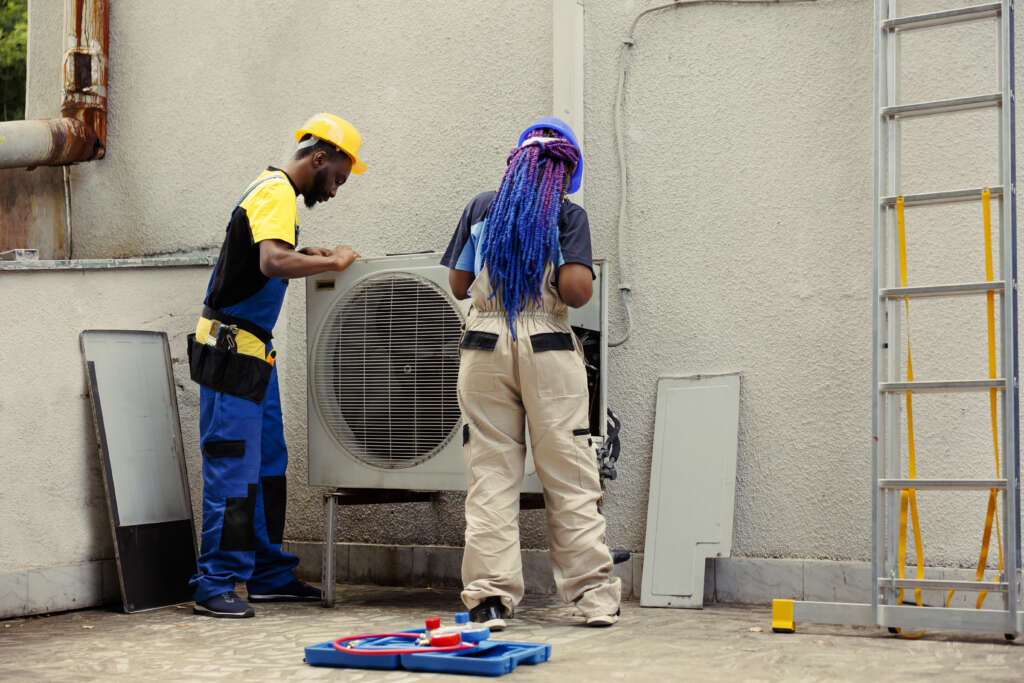
5: Outdoor Unit Installation
The condenser unit is:
- Placed on a concrete or metal base
- Positioned in open airflow space
- Protected from debris and water accumulation
Incorrect placement reduces efficiency significantly.
6: Ductwork & Refrigerant Line Setup
This is one of the most critical steps:
- Properly sealed air ducts prevent air leaks, ensuring efficient airflow and consistent indoor temperatures.
- Identifying and repairing leaks helps maintain system efficiency and prevents energy loss.
- Securely connected refrigerant lines ensure proper cooling performance and protect the system from damage.
Even small duct leaks can waste up to 20–30% energy.
7: Electrical Wiring & Thermostat Setup
Technicians:
- Properly connecting HVAC electrical wiring ensures safe operation and prevents risks such as short circuits or system failure.
- Smart thermostats allow precise temperature control, improved energy efficiency, and remote access for better home comfort management.
- Configuring system controls ensures all HVAC settings are properly calibrated for optimal performance and balanced indoor climate.
Smart thermostats help reduce energy usage by learning user behavior.
8: System Testing & Calibration
Final testing includes:
- Airflow measurement ensures that the HVAC system is distributing air evenly throughout the home for consistent comfort.
- This test verifies that the system is properly heating and cooling at the expected efficiency levels.
- Refrigerant pressure testing helps confirm the system has the correct refrigerant charge for optimal performance and prevents compressor damage.
- Noise level evaluation identifies unusual sounds that may indicate mechanical issues or improper installation.
Why HVAC Installation Quality Matters
A poorly installed system may still run, but it will never perform efficiently.
Incorrect HVAC Installation leads to:
- Poor HVAC installation forces the system to work harder, increasing overall energy consumption and monthly utility costs.
- Incorrect installation puts extra strain on components, leading to more frequent repairs and system failures.
- Improper setup can restrict or imbalance airflow, reducing comfort and system efficiency throughout the home.
- Faulty installation often results in hot and cold spots, making indoor temperatures inconsistent.
- Continuous strain from poor installation significantly shortens the overall lifespan of the HVAC system.
Common Problem Homeowners Face
1. System Sizing Confusion
Improper HVAC system sizing is one of the most common installation problems homeowners face. An oversized system causes short cycling, while an undersized unit runs constantly and increases energy use.
Most homeowners are unaware of Manual J load calculations, which professionals use to determine correct sizing.
2. High Installation Cost Uncertainty
HVAC installation costs in the U.S. vary based on home size, location, system brand, and ductwork condition. This variation often leads to concerns about hidden charges, unexpected labor costs, and poor-quality cheap installations.
Homeowners often fear:
- Hidden charges
- Unexpected labor costs
- Low-quality cheap installation
3. Difficulty Finding Trusted Contractors
Many homeowners struggle to find reliable HVAC installation contractors.
Many homeowners struggle to identify reliable and qualified HVAC installation contractors. Common concerns include working with
- unlicensed technicians
- lack of warranty coverage
- fake or misleading online reviews
- installation shortcuts
that compromise system quality and safety.
4. Energy Efficiency Concerns
Rising electricity costs make energy efficiency a top concern for homeowners across the U.S.
Poor SEER rating selection and inefficient systems can significantly increase monthly utility bills. A low-quality HVAC installation can reduce overall system efficiency by up to 30%, increasing long-term costs.
A bad installation can reduce efficiency by up to 30%.
Common HVAC Installation Mistakes
Avoid these costly errors:
- An incorrectly sized HVAC system can lead to poor performance, uneven temperatures, and higher energy consumption.
- Leaky or poorly sealed ducts cause air loss, reducing efficiency and increasing utility bills.
- Improper refrigerant levels can reduce cooling efficiency and damage the compressor over time.
- Unlicensed contractors may provide low-quality work and can create safety and legal issues for homeowners.
- Overlooking SEER ratings can result in choosing an inefficient system that leads to higher long-term energy costs.
These mistakes often lead to expensive repairs within the first few years.
HVAC Installation Time & Home Disruption
- A standard residential HVAC installation typically takes around 1–3 days, depending on the system type and complexity of the setup. Simple replacements may be completed faster, while full system upgrades or ductwork modifications can extend the timeline slightly.
- During the installation process, homeowners may experience some temporary disruption in daily comfort. This can include noise from tools and equipment, as well as limited access to certain areas of the home where work is being performed.
- In some cases, there may also be a short interruption in heating or cooling, especially when the old system is being removed and the new one is being connected. However, professional installers usually work efficiently to minimize downtime and restore comfort as quickly as possible.
Peak seasons (summer/winter) may increase waiting time for HVAC installation services.
Post-Installation Maintenance Tips
After HVAC Installation:
- Changing HVAC filters regularly keeps airflow strong and prevents dust buildup in the system. Clean filters also improve indoor air quality and help your system run more efficiently.
- Annual HVAC inspections help identify small issues before they turn into costly repairs. A technician checks all major components to ensure safe and efficient operation.
- Removing leaves, dirt, and debris from the outdoor unit improves heat transfer and system performance. It also reduces strain on the compressor and extends equipment life.
- Watching your energy bills helps you spot unusual increases in HVAC consumption. Sudden spikes may indicate inefficiency or a system problem that needs attention.
Proper maintenance extends system life significantly.
FAQs
1. What is HVAC installation?
It is the process of installing heating, cooling, and ventilation systems in homes or commercial buildings.
2. How long does HVAC installation take?
Most residential HVAC installation projects take 1–3 days.
3. What is the cost of HVAC installation in the USA?
Costs vary depending on home size, system type, and contractor pricing.
4. Do I need a professional HVAC installation company?
Yes, professional installation ensures safety, efficiency, and warranty protection.
5. What is HVAC installation and replacement?
It involves removing an old system and installing a new, efficient HVAC unit.
6. What are common HVAC installation mistakes?
Wrong sizing, poor ductwork, and incorrect installation are the most common issues.
7. How do I choose HVAC installation contractors?
Check licenses, reviews, experience, and warranty options.
Leave a Comment