
Welcome to HVAC Blog Spot, your trusted source for practical insights into modern heating and cooling solutions. As homeowners across the USA search for energy‑efficient alternatives to traditional forced‑air systems, one technology stands out: hydronic radiant floor heating. This advanced system delivers consistent warmth from the ground up, improving comfort while reducing energy use.
In this guide, we’ll explore how hydronic radiant floor heating works, its installation costs, efficiency, pros and cons, and whether it’s the right choice for your home.
What Is Hydronic Radiant Floor Heating?
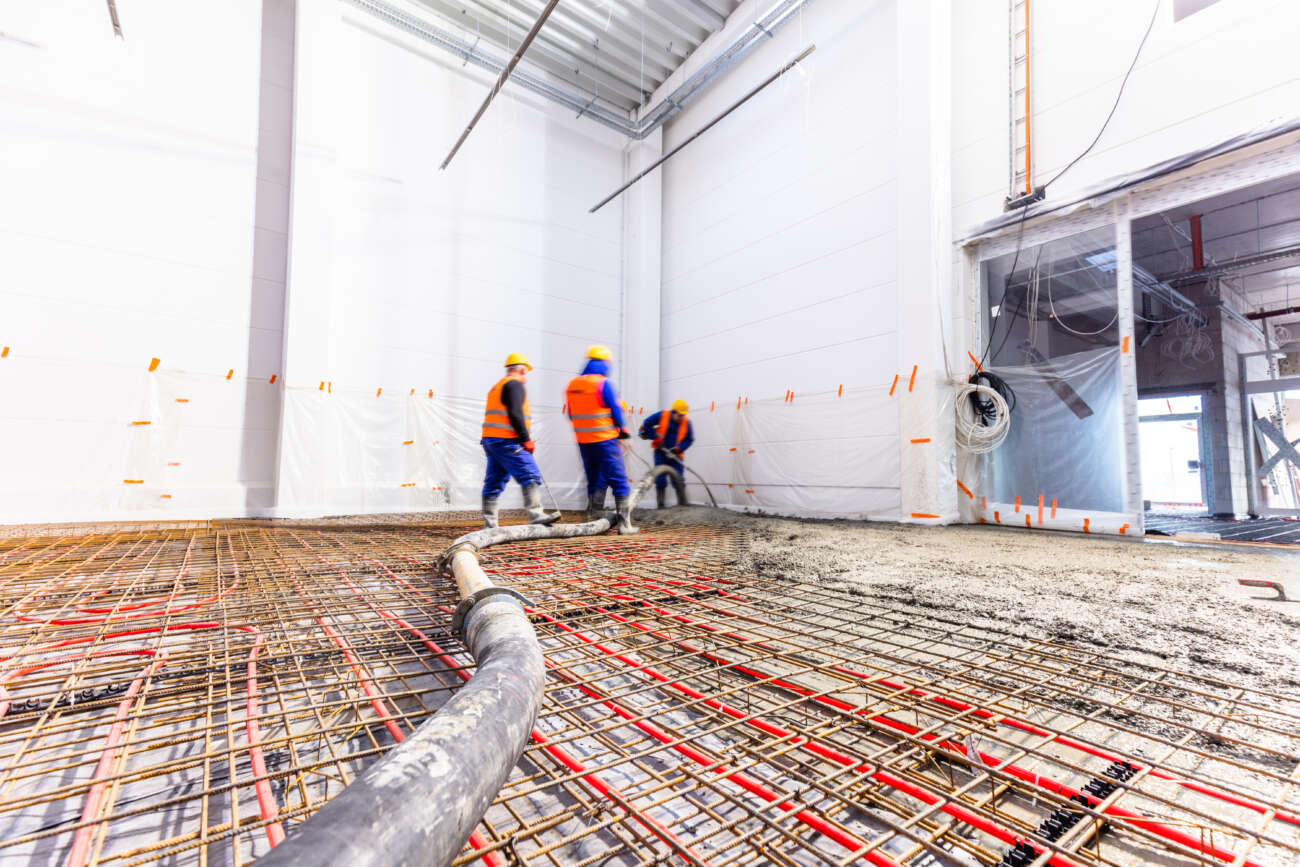
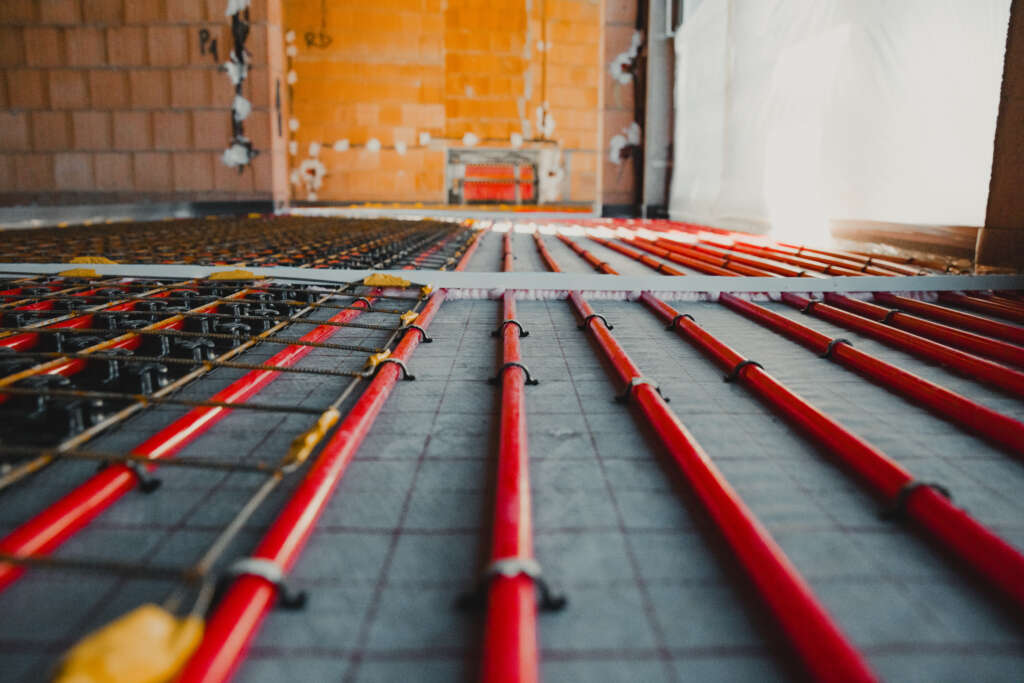
Hydronic radiant floor heating is a water‑based underfloor heating system. Instead of blowing hot air, it circulates warm water through pipes beneath the floor. The heated floor surface then radiates warmth evenly throughout the room.
Key Components
- Boiler or heat pump (heat source)
- Flexible tubing installed under flooring
- Circulation pump
- Thermostat and control system
This setup creates a silent, invisible heating solution that eliminates Radiant Floor heating impact on Environment cold spots and improves indoor comfort.
How Hydronic Radiant Floor Heating Works
The process is straightforward yet highly effective:
- Water is heated using a boiler or heat pump.
- Warm water circulates through pipes beneath the floor.
- Heat radiates upward, warming the room evenly.
- Cooled water returns to the heat source to be reheated.
Because heat rises naturally, the system provides consistent indoor temperatures without drafts, fan noise, or dust circulation.
Installation Costs: New Construction vs Retrofit
One of the biggest questions homeowners ask is: How much does radiant floor heating cost to install?
Factors Affecting Cost
- Size of the home
- Flooring type (tile, stone, carpet, hardwood)
- New construction vs retrofit
- Regional labor costs
- Choice of heat source (boiler, heat pump, electric)
General Cost Insights
- New construction: More affordable, since tubing can be installed during the build.
- Retrofit projects: More expensive, requiring floor removal and reconstruction.
While upfront costs are higher than forced‑air systems, radiant heating offers long‑term comfort and energy savings.
Advantages of Hydronic Radiant Floor Heating
Despite its higher installation cost, hydronic radiant heating provides several unique benefits:
- Even heat distribution across rooms
- Silent operation (no fans or blowers)
- Improved indoor air quality (no dust circulation)
- Energy efficiency at lower operating temperatures
- Increased home value in modern housing markets
- Long lifespan with proper maintenance
Limitations and Pain Points
No system is perfect. Hydronic radiant heating has challenges homeowners should consider:
- High upfront installation cost compared to forced‑air systems
- Complex retrofitting in older homes
- Slow response time (takes longer to heat or cool)
- Repair difficulty since pipes are hidden under flooring
- Dependence on insulation for efficiency
- Flooring limitations (tile and stone work best; thick carpet reduces performance)
- Climate suitability (less practical in mild or warm regions)
Energy Efficiency: Hydronic vs Forced Air
When comparing radiant floor heating vs forced air, efficiency is a major factor.
Radiant Heating
- Operates at lower water temperatures
- Directly heats surfaces and objects
- Reduces energy consumption in well‑insulated homes
Forced Air
- Heats large volumes of air
- Creates hot and cold spots
- Circulates dust and allergens
- Produces fan noise
Overall, radiant heating is more energy‑efficient and comfortable, especially in colder climates.
Choosing the Best Boiler for Radiant Floor Heating
The boiler or heat source is the heart of the system. Options include:
- Gas boilers – reliable and widely available
- Condensing boilers – high efficiency, lower operating costs
- Electric boilers – suitable for smaller systems
- Heat pumps – eco‑friendly, energy‑saving option
For most modern homes in the USA, condensing boilers and heat pumps are preferred due to their efficiency and compatibility with radiant systems.
Climate Suitability
Hydronic radiant floor heating is ideal for:
- Cold climates with long winters
- New construction projects
- Energy‑conscious homeowners
It may not be practical in:
- Warm or mild regions with low heating demand
- Poorly insulated homes
- Budget‑restricted renovation projects
Is Hydronic Radiant Floor Heating Worth It?
The answer depends on your situation:
- Worth it if: You’re building a new home, live in a cold climate, and value long‑term comfort and efficiency.
- Less ideal if: You’re retrofitting an older home, have a limited budget, or need a quick heating response.
Ultimately, hydronic radiant floor heating is a premium solution that prioritizes comfort, efficiency, and modern living standards.
Conclusion
Hydronic radiant floor heating is one of the most advanced heating systems available today. It offers silent, even, and energy‑efficient warmth, making homes more comfortable and healthier. While installation costs are higher, the long‑term benefits often outweigh the initial investment especially for new construction or energy‑conscious homeowners.
At HVAC Blog Spot, our mission is to help you understand modern HVAC technologies so you can make smarter decisions about home comfort and energy savings.
FAQs
1. Is radiant floor heating expensive to install?
Yes, installation costs are higher than traditional HVAC systems due to labor and materials.
2. Can it be installed in existing homes?
Yes, but retrofitting is more complex and costly.
3. Is radiant heating energy efficient?
Yes, especially in well‑insulated homes where it operates at lower temperatures.
4. What flooring works best?
Tile, stone, and concrete are ideal. Thick carpet and solid hardwood reduce efficiency.
5. How long does it last?
With proper installation and maintenance, hydronic systems can last several decades.
Leave a Comment